

Technology has become an important part of modern education, giving teachers new ways to make lessons interactive, encourage participation, and improve students’ understanding. Digital learning platforms can transform traditional classroom activities into engaging experiences where students actively answer questions, solve problems, and compete in educational challenges. However, introducing technology into a classroom also creates certain challenges. Login difficulties, delayed device connections, forgotten credentials, and unexpected technical problems can interrupt lessons and affect students’ concentration. Effective technical preparation is therefore essential for maintaining a productive learning environment.
One practical way to improve classroom organization is to prepare the digital learning environment before students begin an activity. Teachers who understand the blooket login process and organize student access in advance can reduce unnecessary interruptions during lessons. Instead of spending valuable instructional time solving individual access problems, educators can focus on explaining concepts, monitoring participation, and supporting students who need additional assistance. A well-organized approach also helps students develop responsible technology habits while making classroom activities more predictable.
Reducing disruptions does not simply mean preventing technical errors. It also involves creating clear expectations, preparing devices, managing classroom transitions, and establishing routines that students can follow independently. When these elements work together, digital learning activities become easier to manage and more beneficial for everyone involved.
Understanding the Connection Between Technical Preparation and Classroom Management
Classroom disruptions frequently occur when students are uncertain about what they should do next. During technology-based activities, even a small problem can create confusion. For example, a student who cannot access an educational platform may ask classmates for help, move between devices, or interrupt the teacher while other students are already participating. When several students experience similar difficulties, the entire classroom activity can lose momentum.
Technical preparation helps prevent these situations by identifying possible problems before they affect instruction. Teachers can check internet connectivity, confirm that classroom devices are functioning, and review the activity settings before students arrive. Preparing these elements in advance reduces the number of unexpected decisions that need to be made during the lesson. It also allows educators to establish a consistent process that students can understand and follow.
Another important consideration is classroom timing. Students generally respond better to digital activities when they know how long each stage will take. A predictable routine for accessing the platform, joining an activity, answering questions, and reviewing results helps maintain attention. Rather than allowing technology to become a source of distraction, teachers can make it a structured part of their teaching strategy.
Preparing for a Smooth blooket login Experience
A successful digital classroom session begins before the first student attempts to access the activity. Teachers should become familiar with the platform’s basic navigation, account requirements, and available classroom features. Understanding these elements makes it easier to guide students when they encounter difficulties. It also helps educators distinguish between account-related problems, browser issues, and general internet connectivity concerns.
The blooket login process should be introduced through simple instructions that explain what students need to do and what information they should have ready. Teachers can demonstrate the general steps using a classroom display before asking everyone to participate. This approach is particularly helpful for younger learners and students who have limited experience with educational technology. Clear demonstrations reduce repeated questions and encourage students to complete routine actions independently.
Preparation should also include checking whether students are using appropriate devices and supported browsers. Older computers, outdated browsers, restricted school networks, and excessive background applications can affect platform performance. A quick technical check before the lesson can identify these concerns while there is still enough time to address them.
Establishing a Consistent Access Routine
Consistency is one of the most effective ways to reduce classroom confusion. Teachers can establish a routine in which students prepare their devices, open the required classroom activity, and wait for instructions before beginning. Repeating this process regularly helps students understand their responsibilities and reduces the need for individual guidance.
For example, an educator might dedicate the first three minutes of a technology-based lesson to device preparation and platform access. Students who complete the process can wait quietly while the teacher assists anyone experiencing difficulties. This arrangement prevents the entire class from becoming distracted whenever one student encounters a problem.
A consistent routine also helps teachers identify unusual situations. When most students follow the same steps successfully, educators can quickly recognize whether a problem affects one device, several accounts, or the classroom internet connection.
Identifying Common Technical Problems Before Lessons Begin
Technical problems are not always predictable, but many common issues can be prevented through basic preparation. Forgotten passwords, unstable wireless connections, browser compatibility problems, and incorrectly entered activity information are among the difficulties that can interrupt digital classroom sessions. Teachers should understand how these problems typically occur and prepare reasonable solutions.
The following table highlights common technical challenges and practical ways to reduce their impact.
| Technical challenge | Possible classroom impact | Preventive approach |
|---|---|---|
| Forgotten credentials | Delayed student participation | Establish an appropriate account preparation routine |
| Weak internet connection | Slow loading and interruptions | Test connectivity before class |
| Outdated browser | Display or compatibility issues | Keep supported browsers updated |
| Incorrect activity information | Students cannot join the activity | Verify instructions before sharing them |
| Device battery problems | Students lose access during lessons | Check charging and power availability |
Teachers should avoid assuming that every technical issue requires complicated troubleshooting. Sometimes refreshing a page, checking the network connection, or correcting an entry is sufficient. However, educators should also recognize when a problem requires administrative assistance, particularly when school-managed accounts or network restrictions are involved.
Creating a Simple Troubleshooting Strategy
A troubleshooting strategy gives students a clear way to respond when something does not work. Without guidance, students may repeatedly click buttons, open unrelated websites, or ask several classmates for help. These actions can increase noise and interrupt the learning process.
Teachers can introduce a simple procedure that students follow before requesting assistance. The procedure should be short enough to remember and suitable for the students’ age and technical experience.
-
Check whether the device is connected to the internet.
-
Confirm that the correct classroom instructions are being followed.
-
Refresh the activity page when appropriate.
-
Raise a hand and wait for assistance if the issue continues.
This approach encourages independent problem-solving without expecting students to resolve complicated technical issues themselves. It also gives teachers more control over how assistance is provided during lessons.
Improving Student Independence Through Clear Instructions
Student independence plays a major role in reducing classroom disruptions. When learners understand how to access educational activities and follow basic instructions, teachers spend less time managing routine technical questions. This creates more opportunities for meaningful instruction, classroom discussions, and individual feedback.

Before starting an activity, educators should explain its purpose and expected behavior. Students should understand whether they are participating individually, working in teams, or completing questions as part of a group exercise. They should also know when to begin, how to ask for assistance, and what to do after completing the activity.
The blooket login experience becomes more manageable when students understand that accessing the platform is only one part of the lesson. Responsible participation also requires listening to instructions, respecting classroom rules, and using devices for the assigned educational purpose. These expectations help prevent unnecessary browsing, disruptive conversations, and competitive behavior that distracts from learning.
Teaching Responsible Digital Habits
Digital responsibility should be introduced alongside technical instructions rather than treated as a separate concern. Students need to understand that account credentials should be protected, personal information should not be shared unnecessarily, and school devices should be used appropriately.
Teachers can explain why students should avoid using another person’s account or attempting to access activities without permission. These discussions encourage respect for digital boundaries and help students develop habits that remain useful beyond the classroom.
Another useful practice is explaining the difference between healthy competition and disruptive behavior. Educational games may encourage students to improve their performance, but winning should never become more important than understanding the subject. Teachers can reinforce this message by recognizing thoughtful answers, improvement, teamwork, and consistent participation.
Organizing Classroom Devices for Better Technical Readiness
Device management is another important part of reducing interruptions. In classrooms where students use shared computers or school-provided tablets, poor device organization can create unnecessary delays. Students may waste time searching for available equipment, adjusting settings, or discovering that a device has insufficient battery power.
A simple device management routine can prevent many of these problems. Teachers should establish where devices are stored, how students collect them, and where they should return them after an activity. If students use shared computers, assigning specific devices can reduce confusion and help educators identify equipment that requires maintenance.
Schools should also consider the condition of their wireless networks and classroom equipment. A platform may function correctly while the surrounding infrastructure creates performance problems. For this reason, teachers and school technology teams should communicate about recurring connectivity issues instead of repeatedly treating them as individual student mistakes.
Using a Pre-Class Technical Checklist
A short preparation checklist helps teachers complete important technical tasks without spending excessive time on administration. It also creates a repeatable process that can be adapted to different subjects and classroom activities.
| Preparation area | Recommended action | Expected benefit |
|---|---|---|
| Internet | Test the classroom connection | Fewer connectivity interruptions |
| Devices | Check battery and functionality | Reduced equipment-related delays |
| Browser | Confirm compatibility | More reliable platform access |
| Activity | Review questions and settings | Better lesson organization |
| Instructions | Prepare clear joining guidance | Fewer repeated explanations |
These checks are especially useful when teachers conduct several technology-based activities throughout the school week. Once the routine becomes familiar, preparation requires less effort and students become more comfortable with the classroom process.
Managing Classroom Transitions During Digital Activities
Transitions between traditional teaching and digital activities can create unexpected distractions. Students may become excited when a game-based learning session begins, particularly when they are accustomed to competitive classroom experiences. Without clear instructions, this excitement can lead to unnecessary conversations, movement around the classroom, and interruptions.
Teachers can manage transitions by explaining the activity before students open their devices. For instance, an educator might introduce a mathematics topic, demonstrate two sample problems, and then explain how students will practice the same concepts through an interactive quiz. This sequence connects the digital activity with the academic objective and makes the transition feel purposeful.
Another useful approach is to establish a clear starting signal. Students should know that they must wait until the teacher confirms that everyone is ready. This prevents some learners from beginning too early while others are still trying to access the activity. It also allows teachers to resolve technical difficulties before the main session starts.
The blooket login stage should therefore be treated as part of a wider classroom routine rather than an activity that students complete without supervision. When teachers organize the transition carefully, they can maintain a calmer environment and give learners more time to concentrate on educational content.
Supporting Different Student Needs During Platform Access
Not every student has the same level of digital experience. Some learners may be comfortable navigating online platforms, while others may need additional demonstrations and assistance. Differences in reading ability, device familiarity, internet access, and individual learning needs can influence how quickly students complete technical tasks.
Teachers should avoid creating unnecessary pressure by expecting every student to finish at exactly the same time. Instead, they can provide clear instructions and allow reasonable flexibility. Students who understand the process can proceed independently, while those who need support can receive assistance without becoming the center of classroom attention.
Accessibility should also be considered when selecting digital learning activities. Teachers can review whether the activity is suitable for the class, whether instructions are understandable, and whether students have sufficient time to respond. A well-planned activity should support participation rather than create additional barriers.
When students encounter repeated difficulties, educators should investigate the underlying cause instead of assuming a lack of effort. Sometimes the issue involves an unfamiliar interface, an unsuitable device, or school network restrictions. Understanding the source of the problem helps teachers provide more effective support.
Using Classroom Feedback to Improve Future Sessions
Effective technical preparation should improve over time. Teachers can learn from each digital activity by identifying what worked well and which problems caused unnecessary interruptions. This information can guide adjustments to classroom routines, technical instructions, and activity design.
For example, if several students repeatedly struggle with the same access step, the teacher can provide a short demonstration before the next session. If the classroom network becomes unreliable during busy periods, educators can coordinate with the school’s technical staff to investigate the issue. Small improvements can make a noticeable difference when repeated across multiple lessons.
Teachers should also consider student feedback. Learners may identify confusing instructions, difficult navigation steps, or device-related problems that educators have not noticed. Asking a few questions after an activity can reveal whether students understood the process and whether the platform supported their learning objectives.
The blooket login process can become more efficient when feedback is used to improve preparation instead of simply repeating the same approach. This creates a continuous improvement cycle in which teachers refine their methods based on actual classroom experiences.
Balancing Interactive Learning With Classroom Discipline
Interactive educational platforms can increase student motivation, but teachers must maintain a balance between engagement and academic discipline. Game-based learning should support the lesson rather than replace meaningful teaching. If students focus exclusively on scores, rankings, or competition, they may overlook the concepts the activity is designed to reinforce.
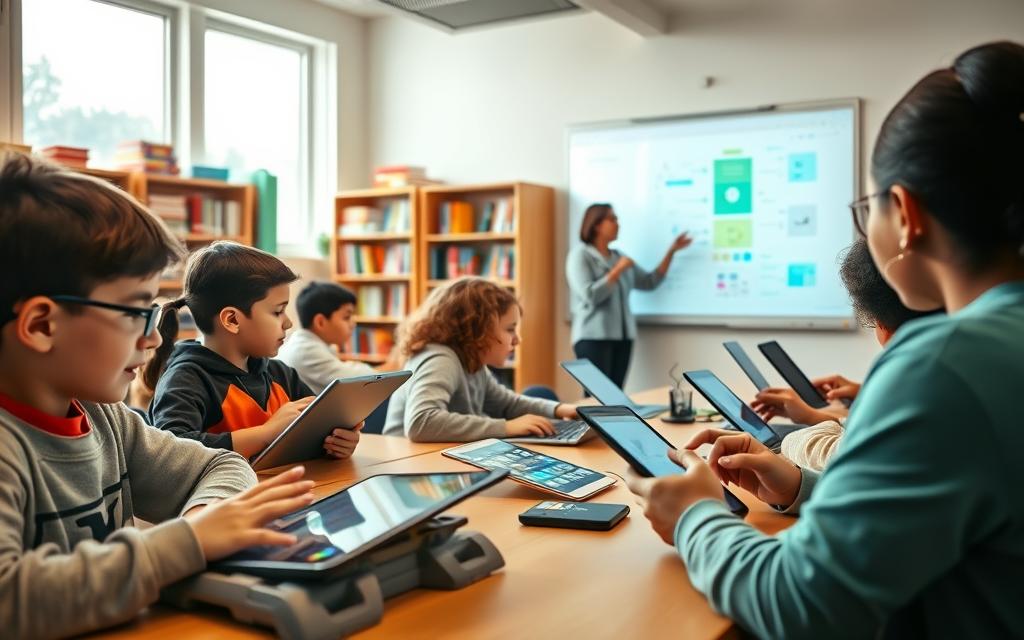
One effective strategy is to connect every digital activity with a short teaching discussion. Before the activity, teachers can explain the learning objective. During participation, they can observe common mistakes and identify areas where students need assistance. Afterward, they can discuss difficult questions and explain why particular answers are correct.
This approach makes interactive learning more valuable because students receive opportunities to practice, evaluate their understanding, and correct mistakes. It also gives teachers a reason to monitor participation beyond simply checking which students achieved the highest scores.
Classroom expectations should remain consistent throughout the activity. Students should know when conversations are allowed, when they need to concentrate, and how they should behave when the session ends. A structured environment makes it easier to enjoy interactive learning without allowing excitement to interfere with classroom discipline.
Building a Long-Term Strategy for Reliable Digital Classrooms
Reducing classroom disruptions requires more than solving individual technical problems. Schools need a practical strategy that combines teacher preparation, student awareness, reliable equipment, and consistent classroom procedures. When these elements are addressed together, technology becomes a more dependable part of everyday instruction.
Teachers can begin by documenting common technical problems and identifying the solutions that work best in their classrooms. They can also share useful preparation methods with colleagues so that students encounter familiar procedures across different subjects. Consistency is particularly important in schools where learners use multiple digital platforms throughout the day.
The blooket login routine can serve as one example of how simple technical preparation supports wider classroom management goals. Students become familiar with accessing activities, teachers gain more control over lesson timing, and technical difficulties are less likely to interrupt the entire class. Over time, these improvements can contribute to a more organized digital learning environment.
Schools should also review their technology policies regularly. Changes in devices, software, network requirements, and student needs may require adjustments to existing procedures. A flexible approach allows educators to respond to new challenges without abandoning the basic principles of preparation, supervision, and responsible technology use.
Conclusion
Reducing classroom disruptions through effective technical preparation is an important part of successful digital education. Even engaging learning activities can lose their value when students experience repeated access problems, unclear instructions, or poorly managed device transitions. Teachers can prevent many of these difficulties by checking classroom technology in advance, establishing consistent routines, and providing students with straightforward guidance.
A well-organized blooket login process supports smoother classroom participation by helping educators manage access-related challenges before they interrupt instruction. However, long-term success also depends on student independence, responsible digital behavior, accessible learning practices, and regular evaluation of classroom technology.
Ultimately, technology should make teaching more effective rather than create additional classroom management problems. By combining thoughtful preparation with clear expectations and continuous improvement, educators can create learning environments where students spend less time dealing with technical difficulties and more time developing knowledge, confidence, and essential academic skills.