

Introduction to Interactive Game Hosting
In today’s digital learning landscape, engagement is no longer optional—it is essential. Traditional teaching methods are steadily being replaced by interactive, gamified experiences that capture attention and encourage participation. Among the platforms leading this transformation is Blooket, a tool designed to make learning feel like play.
At the center of every successful session is the blooket host, the individual responsible for guiding the game, managing participants, and ensuring that the experience is both fun and educational. Hosting is not just about clicking “start.” It involves strategy, timing, communication, and adaptability.
A well-run game can energize a classroom, strengthen understanding, and even make difficult topics enjoyable. On the other hand, poor hosting can lead to confusion, disengagement, and wasted time. That’s why learning how to host effectively is such a valuable skill.
This article will explore everything you need to know about becoming a skilled host, from basic responsibilities to advanced techniques. Whether you are new to the platform or looking to improve your approach, you will find practical insights to help you succeed.
Understanding the Role of a Game Host
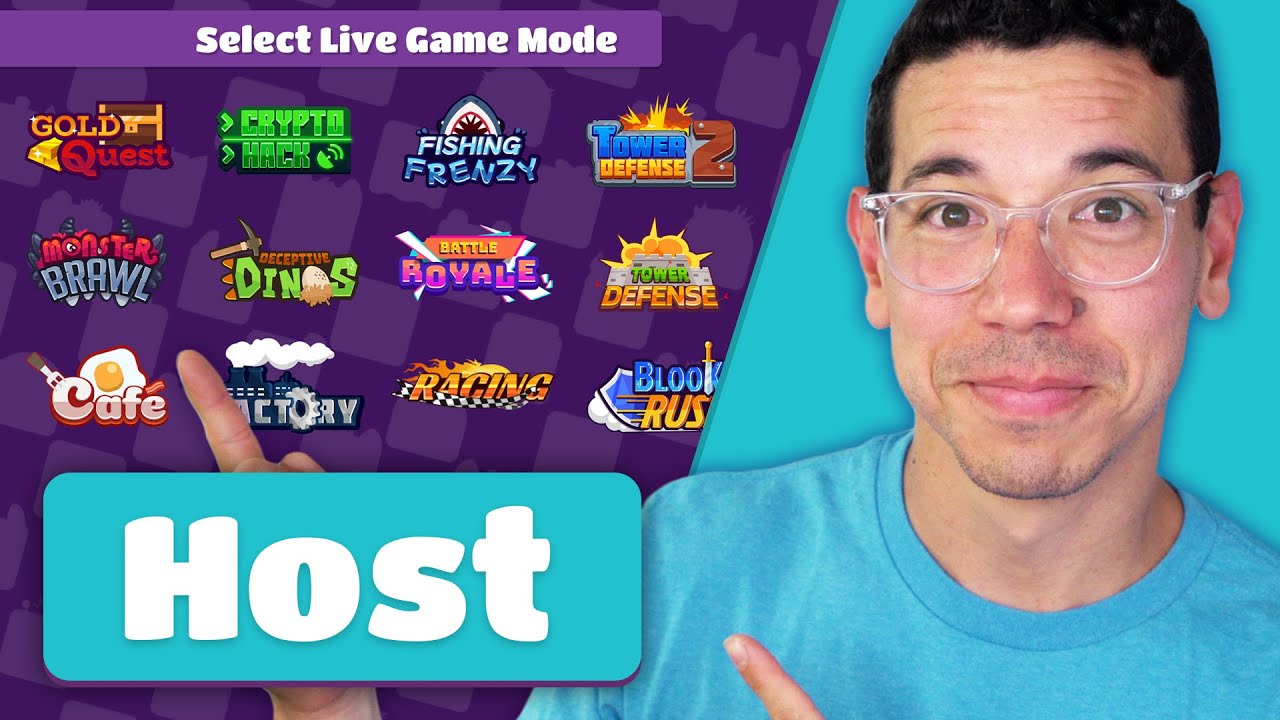
The role of a host goes far beyond launching a quiz. A host acts as a facilitator, guide, and motivator all at once. They shape the experience and influence how players interact with the game.
A blooket host must be prepared to handle multiple responsibilities simultaneously. This includes selecting the right content, explaining rules clearly, and maintaining a steady pace throughout the session. Each of these elements contributes to the overall success of the game.
Hosting also requires awareness. A good host observes how players respond and adjusts accordingly. If participants seem confused, the host clarifies instructions. If energy levels drop, they introduce changes to keep things interesting.
In many ways, hosting is similar to leading a group activity. It requires confidence, communication skills, and the ability to think on your feet. Over time, these skills become more natural, making each session smoother and more enjoyable.
Why Game Hosting Matters in Learning Environments
Gamified learning works because it taps into motivation, curiosity, and competition. However, these benefits only emerge when the game is structured effectively. That structure is provided by the host.
A skilled blooket host creates a balance between fun and focus. They ensure that the game remains aligned with learning objectives while still being enjoyable. This balance is what makes gamification so powerful.
Hosting also helps maintain fairness. By managing rules and monitoring gameplay, the host ensures that all participants have an equal opportunity to succeed. This builds trust and encourages participation.
Additionally, effective hosting reduces distractions. When a session is well-organized, players are less likely to lose focus or become disengaged. This leads to better outcomes and a more positive experience overall.
Preparing for a Successful Hosting Session
Planning the Content Carefully
Preparation is one of the most important aspects of hosting. Before starting a session, it is essential to choose or create a question set that matches the goals of the activity.
Content should be relevant, clear, and appropriately challenging. Questions that are too easy may bore players, while overly difficult ones can cause frustration. Finding the right balance is key.
A thoughtful blooket host also considers variety. Mixing different types of questions keeps the game interesting and prevents repetition. This helps maintain engagement throughout the session.
Testing the Game Setup
Technical issues can disrupt even the best-planned session. That’s why testing the game beforehand is crucial.
This includes checking the question set, exploring the selected game mode, and ensuring that all settings are configured correctly. Taking a few minutes to test can save time and avoid problems later.
Preparation also builds confidence. When the host is familiar with the setup, they can focus more on engaging with players rather than troubleshooting.
Choosing the Right Game Mode
Different game modes offer different experiences. Some emphasize speed, while others focus on strategy or teamwork.
Selecting the right mode depends on the audience and the purpose of the session. Younger players may prefer simpler formats, while older participants might enjoy more complex challenges.
A flexible blooket host adapts their choice based on the group. This ensures that the game remains enjoyable and accessible for everyone involved.
Creating an Engaging Experience
Setting the Tone at the Start
The beginning of a session sets the stage for everything that follows. A strong introduction captures attention and builds excitement.
This is the moment to explain the rules, outline expectations, and encourage participation. Clear communication at this stage prevents confusion later.
A confident start also helps establish authority. When players understand that the host is organized and prepared, they are more likely to stay engaged.
Maintaining Energy Throughout the Game
Energy plays a crucial role in keeping players interested. A host who speaks with enthusiasm and encouragement can significantly influence the atmosphere.
Even small actions, such as acknowledging progress or celebrating achievements, can boost morale. These moments create a positive environment where players feel motivated to continue.
An experienced blooket host knows how to sustain energy without overwhelming participants. The goal is to keep the experience lively while still allowing players to focus.
Encouraging Participation from Everyone
Not all players are naturally outgoing. Some may hesitate to participate, especially in competitive settings.
Creating an inclusive environment is essential. This can be achieved by encouraging teamwork, offering positive reinforcement, and avoiding excessive pressure.
When players feel comfortable, they are more likely to engage fully. This leads to a more enjoyable and productive session for everyone.
Managing Gameplay Effectively
Keeping the Game Organized
Organization is key to a smooth experience. The host should monitor progress, manage time, and ensure that everything runs according to plan.
This includes keeping track of scores, watching for technical issues, and maintaining a steady pace. Staying organized allows the host to focus on engagement rather than problem-solving.
A reliable blooket host anticipates potential challenges and addresses them proactively. This reduces interruptions and keeps the session flowing smoothly.
Handling Challenges and Unexpected Issues
No session is perfect. Technical glitches, confusion, or low participation can occur at any time.
The key is to remain calm and adaptable. Quick thinking and clear communication can resolve most issues without disrupting the experience.
Having a backup plan is also helpful. Whether it’s switching game modes or restarting the session, preparation makes it easier to handle unexpected situations.
Key Features Every Host Should Know
Understanding the platform’s features is essential for effective hosting. These tools provide control and flexibility, allowing hosts to customize the experience.
| Feature | Description | Benefit |
|---|---|---|
| Game Modes | Different styles of gameplay | Adds variety and excitement |
| Timer Settings | Controls duration of rounds | Maintains pacing |
| Randomization | Shuffles questions and answers | Ensures fairness |
| Player Tracking | Displays scores and rankings | Encourages competition |
| Custom Question Sets | Allows tailored content | Improves learning relevance |
Each feature contributes to a more dynamic and engaging session. A knowledgeable host uses these tools effectively to enhance the experience.
Advanced Hosting Strategies

Balancing Competition and Collaboration
Competition can be a powerful motivator, but it should be used carefully. Too much focus on winning can create stress or discourage participation.
A skilled blooket host balances competition with collaboration. This can be achieved by incorporating team-based modes or emphasizing learning over results.
When players feel supported rather than pressured, they are more likely to enjoy the experience.
Using Feedback to Improve Future Sessions
Every session provides valuable insights. Reviewing results and observing player behavior can help identify areas for improvement.
Feedback can come from participants or from the host’s own observations. This information can be used to refine strategies and enhance future sessions.
Continuous improvement is what separates good hosts from great ones.
Experimenting with Different Approaches
Variety keeps things interesting. Trying new game modes, themes, or formats can make sessions more engaging.
An innovative blooket host is always willing to experiment. This not only improves the experience but also helps the host develop new skills.
Over time, experimentation leads to a deeper understanding of what works best for different audiences.
Quick Hosting Checklist (Rich Snippet)
Before the Game:
- Prepare and review content
- Test the setup
- Select the appropriate mode
During the Game:
- Explain rules clearly
- Monitor engagement
- Maintain energy and pacing
After the Game:
- Review results
- Gather feedback
- Plan improvements
Hosting in Different Settings
Classroom Environments
In classrooms, hosting is often focused on reinforcing learning objectives. Games can be used as a review tool or as a way to introduce new concepts.
The host must balance fun with educational value. This ensures that the session contributes to learning outcomes.
Online and Remote Learning
Virtual sessions require additional attention to communication. Without physical presence, clarity becomes even more important.
A blooket host in an online setting must use clear instructions, visual cues, and active engagement to maintain interest.
Casual and Social Use
Not all sessions are educational. Games can also be used for entertainment or team-building.
In these cases, the focus shifts toward fun and interaction. The host plays a key role in creating a relaxed and enjoyable atmosphere.
Building Confidence as a Host
Confidence is developed through experience. The more sessions you host, the more comfortable you become.
Starting with smaller groups can help build confidence gradually. Over time, hosting larger sessions becomes easier.
A confident host communicates clearly, manages challenges effectively, and creates a positive environment for players.
Frequently Asked Questions (FAQs)
What is a blooket host?
A blooket host is the person responsible for creating and managing a game session, guiding players, and ensuring smooth gameplay.
Do I need special skills to host a game?
No special skills are required. Basic familiarity with the platform and good communication are enough to get started.
How can I make my sessions more engaging?
Focus on energy, clear instructions, and interactive game modes to keep players involved.
What should I do if players lose interest?
Try changing the pace, introducing a new mode, or adding a short break to refresh engagement.
Can hosting be used outside of education?
Yes, hosting can be used for entertainment, team-building, and social activities.
Conclusion: Take Your Hosting Skills to the Next Level
Becoming a successful host is a journey that combines preparation, creativity, and adaptability. It’s not about being perfect—it’s about creating an experience that is engaging, enjoyable, and meaningful.
A skilled blooket host understands their audience, uses the platform effectively, and continuously improves their approach. By focusing on these elements, anyone can transform a simple game into a powerful learning tool.
Now is the perfect time to put these strategies into practice. Plan your next session, experiment with new ideas, and refine your skills with each experience. The more you host, the better you become—and the more impact you create.