

Introduction
Interactive learning has changed the way students participate in classrooms, and game-based platforms have become an increasingly popular way to make lessons more engaging. Blooket is one such platform that combines educational questions with entertaining game formats. Students can participate in quizzes, compete with classmates, and review lessons while enjoying a game-like experience. For new users, the process may seem confusing at first, especially when they receive a game code and need to know where to enter it. Understanding Blooket Join can make the process much easier. Whether you are a student joining a classroom activity or a teacher organizing an interactive session, knowing the basic steps can save time. This guide explains how joining works, what a game code means, common problems students may experience, and useful tips for participating successfully.
What Is Blooket?
Blooket is an educational gaming platform designed to combine quizzes with different game experiences. Teachers can create or select question sets and use them during classroom activities, while students answer questions and participate in a selected game mode. Instead of simply completing a traditional quiz, students can interact with questions through a more entertaining format. This approach can encourage participation and make revision sessions feel less repetitive.
The platform is particularly useful when teachers want students to practice concepts in a competitive or interactive environment. Questions can cover subjects such as mathematics, science, history, vocabulary, and general knowledge. Students generally do not need to create a complicated setup to participate in a teacher-hosted game. They typically receive a game code and use the joining page to enter the session. This simple process is one reason Blooket has become familiar to many students and educators.
What Does Blooket Join Mean?
The phrase Blooket Join generally refers to the process students use to enter a Blooket game hosted by a teacher or another game organizer. A game session usually has a unique code that identifies the particular activity. Students enter this code on the appropriate joining page and then provide the requested player information.
Once the information is accepted, the student can enter the game lobby and wait for the host to begin the activity. The exact experience can vary depending on the game mode selected by the teacher. Some activities may focus on speed and correct answers, while others may include different strategic elements.
The important thing to remember is that the joining process is separate from creating a game. The teacher or host generally handles the game setup, while students participate by entering the session information provided to them.
How to Join a Blooket Game
Joining a classroom game is generally straightforward. Students should first make sure they have the correct game code from their teacher or host. A wrong or expired code may prevent them from entering the session.
Basic Steps
- Open a supported web browser on a computer, tablet, or compatible device.
- Go to the Blooket joining area.
- Enter the game code provided by the host.
- Enter the requested player name or other information.
- Continue into the game lobby.
- Wait for the host to start the activity.
- Follow the instructions displayed during the game.
The Blooket Join process usually takes only a short amount of time when the correct code is available. Students should carefully check the code before submitting it because even a small mistake can result in an error. If the teacher has provided additional instructions, those instructions should take priority.
Understanding the Game Code
A game code is an important part of joining a hosted Blooket activity. It helps connect students with the specific game session created by the host. Different sessions can have different codes, so students should use the code provided for their current classroom activity.
Game codes may only work while the relevant session is active. If a student tries to use an old code after the activity has ended, the code may no longer work. This does not necessarily mean there is a problem with the student’s device.
When joining a session, students should:
- Copy the code carefully.
- Check for typing mistakes.
- Use the current code from the teacher.
- Avoid relying on an old game code.
- Ask the host for a new code if the current one does not work.
Understanding how codes function makes Blooket Join much less confusing for first-time users.
Blooket Join for Students
For students, the main purpose of joining is to participate in a teacher-led activity. After entering the correct session information, students may see a lobby or waiting screen until the host starts the game.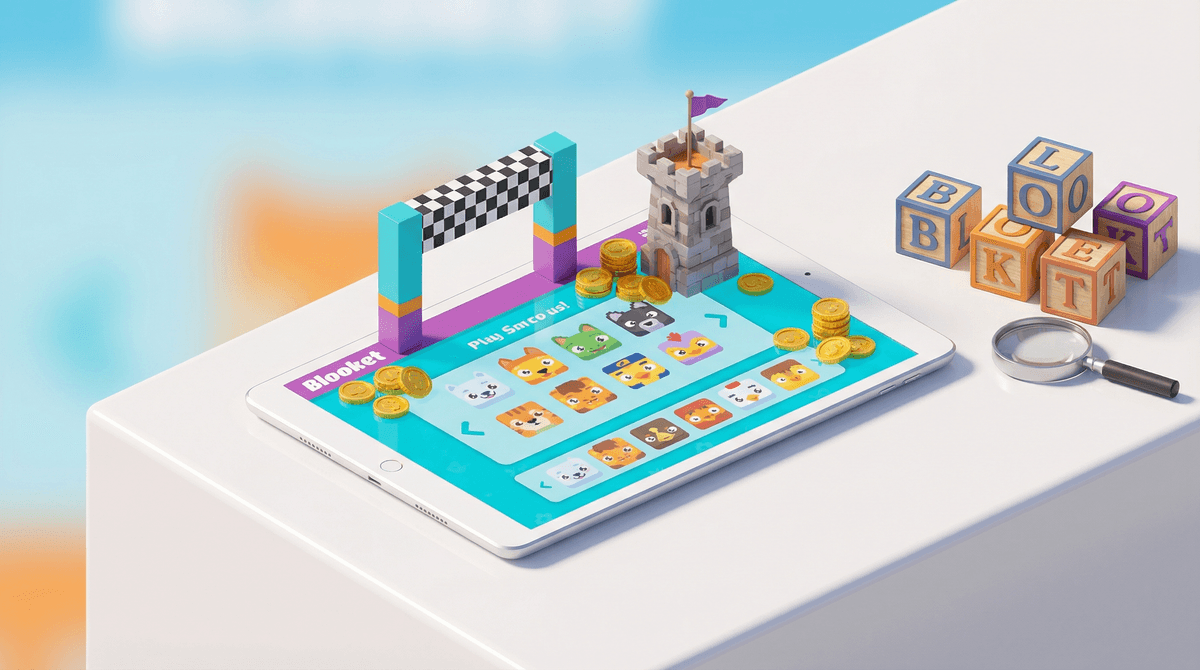
During the activity, students answer questions using their device. Depending on the selected game mode, correct answers may contribute to progress, points, or other in-game advantages. The objective can therefore differ from one classroom session to another.
Students should focus on understanding the questions rather than simply trying to answer as quickly as possible. Educational games are most useful when participants pay attention to the subject matter. Teachers can also use these activities to identify concepts that students may need to review again.
Blooket Join for Teachers
Teachers use Blooket differently from students. Instead of simply joining an existing session, teachers can prepare question sets, select an appropriate game mode, and host activities for their classes.
Before beginning a session, teachers should ensure that students have the correct joining instructions. A clear explanation of where to enter the code can help prevent unnecessary delays.
Teachers can also choose activities based on their learning objectives. For example, a vocabulary review may benefit from repeated question practice, while a mathematics lesson might use a competitive activity to reinforce calculations.
The most effective use of Blooket is not simply entertainment. The questions and game format should support the lesson and encourage students to think about the material being taught.
Common Problems When Joining
Sometimes students may experience problems while trying to enter a game. Most issues are relatively simple and can often be resolved by checking the basic joining information.
| Problem | Possible Reason | Suggested Solution |
|---|---|---|
| Code does not work | Incorrect or expired code | Ask the host for the current code |
| Page does not load | Internet or browser issue | Refresh the page or check the connection |
| Cannot enter the game | Session may not be active | Confirm that the host has started the session |
| Name is rejected | Name restrictions | Follow the host’s naming instructions |
| Game freezes | Browser or connection problem | Refresh or reconnect |
| Wrong session appears | Incorrect code | Recheck the code carefully |
A common mistake is assuming that every problem is caused by the platform. In many situations, the issue is simply an incorrect game code, an inactive session, or an unstable internet connection.
Tips for a Better Blooket Experience
Students can make their classroom gaming experience smoother by following a few simple practices. First, they should join the session before the teacher starts the activity whenever possible. This gives them time to solve any technical problems.
They should also use a stable internet connection and keep their browser updated. If several unnecessary tabs or applications are running, closing them may help improve device performance.
Useful tips include:
- Keep the game code available before joining.
- Read each question carefully.
- Follow the teacher’s classroom rules.
- Avoid repeatedly refreshing during an active game.
- Ask the teacher for help if the session code fails.
- Focus on learning instead of only winning.
- Use a suitable device with a reliable connection.
These simple habits can make Blooket Join easier and reduce interruptions during classroom activities.
Why Game-Based Learning Can Be Effective
Traditional quizzes can sometimes feel repetitive, especially when students complete several similar activities. Game-based learning introduces another layer of interaction. Students can answer questions while experiencing competition, progress, and immediate engagement.
However, the value of a learning game depends on how it is used. A well-designed question set can reinforce important concepts, while poorly selected questions may provide entertainment without much educational benefit. Teachers therefore play an important role in choosing relevant content.
Blooket-style activities can work particularly well as revision tools. After teaching a topic, a teacher can use questions to check whether students remember important facts or understand key concepts. The results can then help identify areas requiring additional explanation.
Blooket and Classroom Engagement
One major advantage of interactive quizzes is that they can encourage students who may not regularly participate in traditional classroom discussions. A game format can create a different atmosphere and provide students with another way to demonstrate what they know.
At the same time, competition should remain healthy. Students have different learning speeds and levels of confidence. Teachers can emphasize accuracy, improvement, and understanding instead of treating the activity solely as a contest.
When used thoughtfully, Blooket Join can be the starting point for an engaging classroom activity rather than the entire learning experience. The game can introduce practice, while discussion and explanation can provide deeper understanding afterward.
Is Blooket Easy to Use?
For most students, the joining process is relatively simple once they know where to enter the game code. The biggest challenge for first-time users is usually understanding the difference between the host’s role and the player’s role.
The host prepares and starts the activity, while students enter the provided session information and participate. Once this distinction is clear, the process becomes easier.
Students who regularly participate in classroom games may become familiar with the process quickly. Teachers can also save time by giving the same basic joining instructions before each activity.
Frequently Asked Questions
What is Blooket Join?
Blooket Join refers to the process of entering a teacher-hosted Blooket game using the session information or game code provided by the host.
Do I need a game code?
For a hosted classroom activity, students generally need the current game code supplied by the teacher or host.
Why is my Blooket code not working?
The code may have been entered incorrectly, expired, or the host may have ended or not yet started the session. Checking with the host is usually the best first step.
Can students join from different devices?
Students can generally participate using compatible internet-connected devices, provided they can access the required game session.
What should I do if I cannot join?
First, check the code, internet connection, and browser. If everything appears correct, ask the teacher or host to confirm that the game session is active.
Conclusion
Understanding Blooket Join makes it easier for students to participate in interactive classroom activities without unnecessary confusion. The process mainly involves receiving the correct game code, entering it properly, providing the required player information, and waiting for the host to begin. While technical problems can occasionally occur, most common issues can be resolved by checking the code, internet connection, browser, and session status.
The real value of Blooket comes from combining educational questions with engaging game experiences. When teachers select meaningful questions and students focus on learning as well as competition, these activities can become a useful part of classroom revision. With a little preparation, Blooket Join can provide a simple way for students to enter educational games and take part in interactive learning.