

Introduction
The growth of digital learning has changed the way teachers introduce lessons, review concepts, and keep students engaged in the classroom. Interactive quiz platforms are especially useful because they combine education with competition and entertainment. Blooket is one such platform that allows teachers to create question sets and turn them into engaging game sessions. At the center of this experience is the Blooket Dashboard, which provides tools for managing games, question sets, activities, and classroom interactions.
The dashboard can be useful for both teachers and students, although their available options may differ. Teachers generally use it to organize educational activities, while students mainly participate in games through the options provided by their teacher. Understanding the dashboard makes it easier to find important features, prepare activities, and manage learning sessions efficiently. Whether you are new to Blooket or already use it regularly, becoming familiar with its layout can make online classroom activities more organized and enjoyable.
What Is Blooket Dashboard?
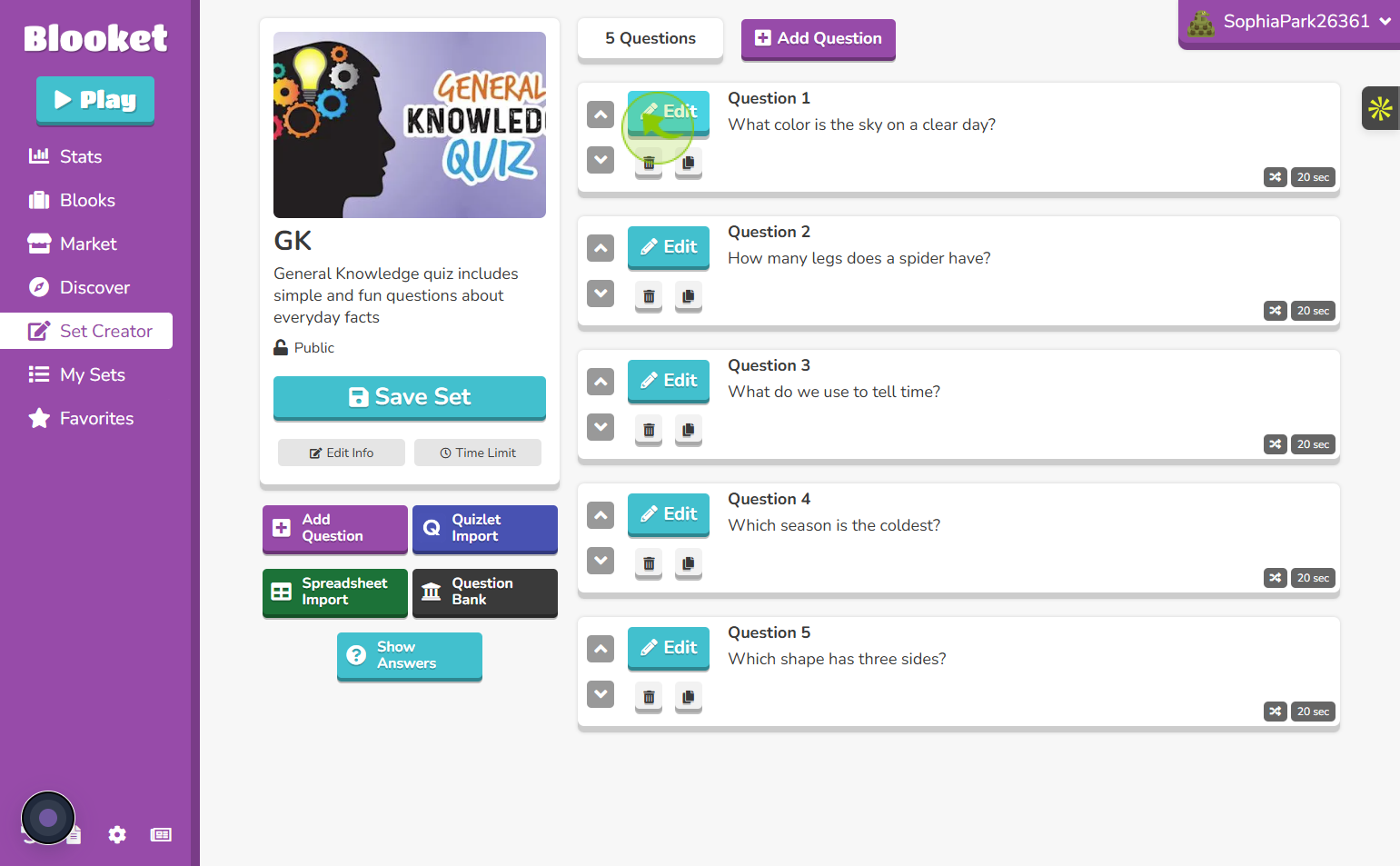
The Blooket Dashboard is the central area where users can access and manage important features connected with the Blooket learning platform. For educators, it can serve as a workspace for organizing question sets, creating games, reviewing activities, and preparing classroom sessions. Instead of searching through different sections every time an activity needs to be started, the dashboard brings many commonly used functions into one convenient location.
The exact options displayed can depend on the type of account and the platform’s current design. Teachers may see tools related to question-set creation, game hosting, saved content, and classroom activities. Students generally have a simpler experience because their primary purpose is to join and participate in activities. The Blooket Dashboard is therefore best understood as a control center rather than simply a page for playing games. Learning where important tools are located can save time and help teachers focus more on teaching rather than navigating the platform.
Key Features Available Through the Dashboard
A major advantage of the dashboard is that it brings several useful functions together. Teachers can use it to prepare educational games, access existing question sets, and organize activities according to their classroom requirements. The platform’s game-based approach can also make repetitive revision sessions feel more interactive.
Some commonly useful areas include:
- Question-set management
- Game hosting and activity preparation
- Access to saved or created content
- Student participation tools
- Activity organization
- Performance and session-related information
These features can support different teaching styles. For example, a teacher may create a question set before a lesson, use it during class for revision, and then use another set for practice later. This flexibility is one reason interactive quiz platforms have become popular in modern classrooms. However, teachers should still make sure that the questions match their learning objectives rather than selecting games only because they are entertaining.
How Teachers Can Use the Dashboard
Teachers can use the dashboard as a starting point for planning classroom activities. A typical workflow may begin with selecting an existing question set or creating a new one. After preparing the questions, the teacher can choose an appropriate game activity based on the lesson and the students’ needs.
The Blooket Dashboard can make this process more manageable because teachers can return to their educational content instead of rebuilding activities from scratch every time. Before starting a classroom session, teachers should review the questions carefully and check whether they are suitable for the students’ grade level. It is also useful to decide whether the activity is intended for introducing a topic, practicing recently learned information, or reviewing material before an assessment.
Good preparation is important because game-based learning works best when entertainment supports a clear educational purpose. A well-planned activity can encourage participation while still helping students remember important concepts.
Using Question Sets Effectively
Question sets are one of the most important parts of a Blooket activity. A teacher can create questions around a particular subject, lesson, chapter, or revision topic. Well-written questions should be clear, concise, and appropriate for the learners who will answer them.
When preparing questions, teachers can combine different difficulty levels. Easier questions can help students build confidence, while more challenging questions can encourage deeper thinking. Including a mixture also helps teachers identify which concepts students understand and which areas may require additional explanation.
| Question Set Element | Recommended Approach |
|---|---|
| Topic | Keep questions focused on the lesson |
| Difficulty | Use a balanced range |
| Wording | Keep questions clear and direct |
| Answers | Avoid unnecessary confusion |
| Length | Make questions easy to read |
| Purpose | Connect every question with learning goals |
The goal should not simply be to create difficult questions. Instead, each question should contribute something meaningful to the learning experience.
Benefits for Classroom Learning
Game-based activities can offer several advantages when used correctly. One benefit is increased participation. Students who may hesitate to answer questions during a traditional lesson may feel more comfortable participating in an interactive game environment.
 Another advantage is immediate engagement with course material. Students are required to recall information, make decisions, and respond to questions rather than simply reading or listening. This active participation can make revision sessions more memorable.
The Blooket Dashboard also supports organization for teachers because educational activities can be prepared ahead of time. Instead of relying entirely on paper-based quizzes, teachers can integrate digital activities into their lessons. However, interactive games should complement other teaching methods rather than replace explanations, discussions, projects, and practical learning.
Blooket Dashboard for Students
Students generally interact with Blooket differently from teachers. Their primary role is to participate in activities created or selected by an educator. Depending on the activity and account setup, students may receive instructions for joining a game and then answer questions during the session.
The student experience is designed to be straightforward because unnecessary complexity can distract from the learning activity. Students should pay attention to their teacher’s instructions and use the correct participation method for the particular session.
For students, the most important benefit is the opportunity to practice knowledge in an interactive environment. Rather than treating every activity as a competition, students can use these sessions to identify topics they understand and areas where they need more practice.
How to Make Better Use of the Dashboard
Teachers can improve their experience by developing a consistent routine. Preparing question sets in advance, organizing content by subject, and reviewing activities before class can reduce last-minute problems.
A few practical habits can help:
- Prepare questions before the lesson begins.
- Match game activities with learning objectives.
- Use different difficulty levels.
- Review incorrect answers with students.
- Avoid using games for every classroom activity.
It is also useful to observe student responses rather than focusing only on the final scores. A high score can show that students performed well, but incorrect answers can reveal misunderstandings that deserve further explanation. The real value of a digital learning platform comes from using its activities as part of a larger teaching strategy.
Common Challenges and Solutions
Like any digital classroom tool, Blooket may present challenges. Students can sometimes become more focused on winning than learning, particularly when activities are highly competitive. Teachers can reduce this issue by explaining that the purpose of the activity is practice and understanding.
Technical issues can also occur because online activities depend on devices, browsers, internet connections, and classroom technology. Preparing instructions in advance and having an alternative activity available can make lessons more reliable.
Another challenge is question quality. If questions are unclear or poorly aligned with the lesson, even an entertaining game may not provide much educational value. Teachers should therefore spend time checking their content before using it.
Comparison of Dashboard Uses
| User | Main Purpose | Typical Activity |
| Teacher | Manage learning activities | Create and host games |
| Student | Participate and practice | Answer questions |
| Educator | Review classroom understanding | Analyze responses |
| Learner | Reinforce knowledge | Repeat practice activities |
This comparison shows that the dashboard experience depends largely on the user’s role. Teachers need organizational and management tools, while students primarily need simple access to learning activities.
Tips for an Effective Blooket Session
A successful game-based lesson does not necessarily require complicated preparation. The most important factor is choosing an activity that supports the lesson’s purpose. Teachers should introduce the topic first, explain the rules clearly, and then use the game as a practice or review activity.
Keeping sessions reasonably focused can also help maintain student attention. After the activity, teachers can discuss commonly missed questions and explain why particular answers are correct. This final discussion turns a game into a meaningful learning exercise.
Using the Blooket Dashboard efficiently can therefore involve more than knowing where buttons and features are located. It means understanding how each available tool can support classroom goals and student learning.
Conclusion
The Blooket Dashboard provides a central workspace for managing interactive educational activities and can make game-based learning easier to organize. Teachers can use it to prepare question sets, manage classroom games, and create engaging revision opportunities, while students can benefit from interactive practice and active participation.
The greatest value comes from using the platform thoughtfully. Clear questions, suitable difficulty levels, proper preparation, and post-game discussion can transform a simple quiz into a useful learning experience. Whether it is being used for revision, practice, or classroom engagement, the Blooket Dashboard can support a more interactive approach to education when combined with effective teaching methods.