

School computer laboratories play an important role in modern education. They provide students with access to digital learning platforms, interactive educational activities, online assessments, and collaborative projects. However, managing a computer lab where dozens of students share the same devices can be challenging. Teachers must ensure that every student can access the required learning resources without wasting valuable classroom time. Problems such as forgotten credentials, browser conflicts, previously saved sessions, and inconsistent device settings can interrupt lessons and reduce productivity. Establishing an organized access system is therefore essential for creating a reliable digital learning environment.
Interactive learning platforms have become increasingly useful in schools because they combine educational content with engaging activities. Blooket is one example of a platform that allows teachers to organize question-based games and classroom review sessions. Students can participate in activities using available computers, making it suitable for environments where devices are shared between different classes. A well-planned blooket login process can help teachers manage classroom participation while reducing unnecessary delays when students move between workstations.
Optimizing shared computer access requires more than simply providing students with internet-connected devices. Schools must consider browser management, account security, accessibility, technical maintenance, and classroom scheduling. When these elements work together, computer laboratories become easier to manage and more effective for educational activities.
Understanding the Challenges of Shared Computer Access
Shared computer laboratories operate differently from individual student devices. In a typical school environment, the same computer may be used by several students throughout the day. One class might use the laboratory for mathematics practice in the morning, while another class might need the same machines for science activities later. Without proper management, information from one session can remain available to the next user.
One common problem involves browser sessions. Students may forget to sign out of educational platforms, leaving accounts accessible to other users. Saved passwords, cached information, and previously opened tabs can also create confusion. These issues become particularly important when students use personal accounts or when teachers need to maintain separate classroom activities. Schools should establish clear procedures for ending sessions and preparing computers for the next group.
Another challenge is the limited time available during lessons. If every student needs several minutes to locate a platform, enter classroom information, and resolve browser problems, the teacher loses valuable instructional time. These delays can become more noticeable in laboratories with limited technical support. A consistent approach to device preparation and student access helps prevent small technical issues from affecting the entire lesson.
How Blooket Supports Learning in Computer Laboratories
Blooket provides an interactive environment in which teachers can create or select question-based activities for students. These activities can support revision, knowledge checks, vocabulary development, and classroom discussions. Instead of relying entirely on traditional worksheets, teachers can introduce game-based exercises that encourage students to participate actively.
In shared computer laboratories, this approach allows students to use available workstations without requiring every learner to own a personal device. Teachers can organize a session, explain the participation process, and allow students to join using the appropriate classroom instructions. The blooket login experience should be kept separate from unnecessary account-sharing practices. Students should use only the access method required for the particular activity.
The platform can also support different teaching strategies. For example, a mathematics teacher might organize a short activity after explaining fractions, while a language teacher could use vocabulary questions to reinforce a recently completed lesson. Students can work independently or participate in teacher-directed activities depending on the classroom arrangement.
The main advantage is the ability to combine technology with structured instruction. However, interactive games should complement educational objectives rather than replace explanations, discussions, and other teaching methods.
Planning an Efficient Student Access System
An effective shared-access system begins before students enter the computer laboratory. Teachers and technical coordinators should decide how devices will be assigned, how students will receive classroom instructions, and how previous sessions will be closed. These decisions reduce uncertainty and make the laboratory easier to operate.
For example, a school might assign numbered workstations to students for each session. Students can use the same workstation throughout the activity, making it easier for teachers to identify technical problems and provide assistance. This arrangement is particularly useful when a large class needs to participate within a limited period.
Schools should also establish consistent browser settings. Educational platforms should be accessible through supported browsers, and unnecessary extensions should be removed from laboratory devices. Automatic updates, security settings, and network restrictions should be reviewed by authorized technical staff. These measures improve reliability without requiring teachers to troubleshoot individual computers during every lesson.
Creating a Consistent Login Routine
A simple classroom routine can make digital activities considerably more efficient. Students should understand what to do when they sit at a workstation, how to access the assigned activity, and how to finish their session responsibly.
A practical routine can include the following steps:
-
Check that the assigned computer is working properly before starting.
-
Open the approved browser and follow the teacher’s classroom instructions.
-
Enter the activity using the correct participation information.
-
Complete the session and sign out wherever an account has been used.
These instructions should be displayed near laboratory workstations or included in classroom guidelines. Repeating the same procedure helps students become more independent and reduces the number of questions teachers need to answer.
Managing Multiple Students on Shared Devices
One of the most important considerations in school computer laboratories is preventing confusion between different student sessions. When several learners use the same workstation during a school day, the previous user’s activity should not interfere with the next student’s work.

Schools can address this problem by introducing a clear end-of-session procedure. Students should close unnecessary browser tabs, sign out of personal accounts, and avoid saving passwords on shared devices. Where supported by the school’s technology infrastructure, temporary user profiles or automatic session-reset systems can provide additional protection.
Teachers should also avoid asking students to share personal account credentials simply because computers are limited. Sharing passwords can expose private information and make it difficult to identify who performed a particular action. If a classroom activity supports participation through a game code or another designated joining method, teachers should explain that process instead of encouraging students to exchange account details.
The blooket login procedure should be explained according to the platform’s actual requirements. Students may need to access an account for certain features, while other classroom participation activities may use a joining code. Understanding this distinction helps teachers avoid unnecessary account creation and reduces confusion during lessons.
Comparison of Shared Computer Management Methods
Different computer access methods offer different advantages depending on the school’s infrastructure, student age groups, and available technical resources. The following comparison highlights common approaches used in educational laboratories.
| Access management method | Main advantage | Important consideration |
|---|---|---|
| Individual student profiles | Separates student settings and information | Requires proper account administration |
| Temporary user sessions | Reduces leftover personal information | May reset useful preferences |
| Assigned workstations | Simplifies classroom organization | Requires scheduling and coordination |
| Browser-based activities | Provides convenient access | Depends on browser compatibility |
| Centralized device management | Supports consistent computer settings | Requires technical administration |
No single approach is suitable for every school. Smaller institutions may find assigned workstations and simple browser procedures sufficient, while larger schools may benefit from centralized device management. The most effective solution is one that balances security, convenience, and available resources.
Improving Browser Performance and Compatibility
Browser performance directly affects the quality of digital learning activities. Educational platforms depend on modern browser features, stable internet connections, and appropriate security settings. If laboratory computers use outdated browsers or contain unnecessary extensions, students may experience slow loading, display problems, or unexpected interruptions.
Schools should establish a regular browser maintenance schedule. Authorized administrators can update supported browsers, remove unnecessary extensions, clear temporary browsing data, and review security configurations. These activities should be performed carefully because clearing all browser information may remove settings that students or teachers legitimately need.
Hardware performance also matters. Older computers with limited memory may struggle when several browser tabs and educational applications are open simultaneously. Teachers can reduce unnecessary resource usage by asking students to close unrelated applications before beginning a lesson. Technical staff should monitor frequently used machines and identify computers that require upgrades or maintenance.
Network performance deserves equal attention. When an entire classroom accesses the same online platform at once, network demand can increase significantly. Schools should evaluate their internet capacity, wireless coverage, and network configuration. Testing the platform before an important classroom session can help identify connectivity problems before students begin participating.
Protecting Student Privacy and Account Security
Student privacy should remain a priority whenever educational platforms are accessed through shared computers. A laboratory workstation may contain information from previous users, including browsing history, saved credentials, downloaded files, and active sessions. If these details are not managed properly, students may accidentally access another person’s information.
Schools should establish clear security policies that explain how students should use shared devices. Personal passwords should never be displayed publicly, stored in shared documents, or exchanged between classmates. Students should also understand why signing out is important when they finish using an educational platform.
Teachers and administrators should review the privacy settings and data practices of the educational services used in their institutions. Schools should follow applicable student data protection requirements and their own technology policies. Where younger learners are involved, appropriate parental permissions and school-approved account arrangements may also be necessary.
A secure blooket login process should therefore focus on using the correct access method, protecting individual credentials, and ensuring that students do not remain signed in after completing an activity. These precautions create a safer environment without making classroom technology unnecessarily complicated.
Organizing Classroom Activities for Different Learning Levels
Computer laboratories often serve students with different levels of digital experience and academic ability. Some learners may be comfortable navigating educational platforms, while others may require additional guidance. Teachers should account for these differences when planning interactive activities.
A useful strategy is to begin with a short demonstration. The teacher can explain how to access the assigned activity, where students should enter the necessary information, and what they are expected to accomplish. This introduction is particularly valuable when students are using shared computers for the first time.
Teachers can also organize activities according to learning objectives. Beginners might participate in basic vocabulary or arithmetic exercises, while advanced students could work with more challenging questions. The objective is to make digital participation meaningful rather than simply encouraging students to finish a game quickly.
For example, a teacher conducting a geography lesson could use an interactive quiz to review countries, capitals, and geographical features. After the activity, students could discuss difficult questions and explain their answers. This combination of independent participation and classroom discussion helps transform a digital exercise into a broader learning experience.
Establishing a Reliable Computer Lab Maintenance Routine
Regular maintenance is necessary to keep shared computer laboratories functional. Even well-configured systems can develop problems over time because of software updates, changing network requirements, accumulated temporary files, or hardware wear.
Schools should assign responsibility for checking laboratory devices. This responsibility may belong to an IT administrator, computer teacher, or designated technical support team. The person responsible should periodically inspect browsers, operating systems, keyboards, mice, monitors, and network connections.
A maintenance schedule also makes it easier to identify recurring problems. If a particular workstation frequently loses internet connectivity, technical staff can investigate the issue rather than allowing students to experience the same interruption repeatedly.
The following table summarizes a practical maintenance approach.
| Maintenance activity | Suggested frequency | Purpose |
|---|---|---|
| Browser and software updates | Regularly | Maintain compatibility and security |
| Keyboard and mouse inspection | Weekly | Identify hardware problems |
| Temporary data management | According to policy | Prepare devices for shared use |
| Network performance checks | Regularly | Reduce connectivity interruptions |
| Account and security review | Periodically | Protect student information |
A documented maintenance routine helps schools manage technology more consistently. It also reduces dependence on emergency troubleshooting during classroom hours.
Using Blooket Login Without Disrupting Classroom Lessons
Teachers should prepare the technical side of an interactive lesson before students begin using the computers. This preparation includes checking internet connectivity, opening the required classroom materials, confirming that the activity is available, and ensuring that students understand how to participate.
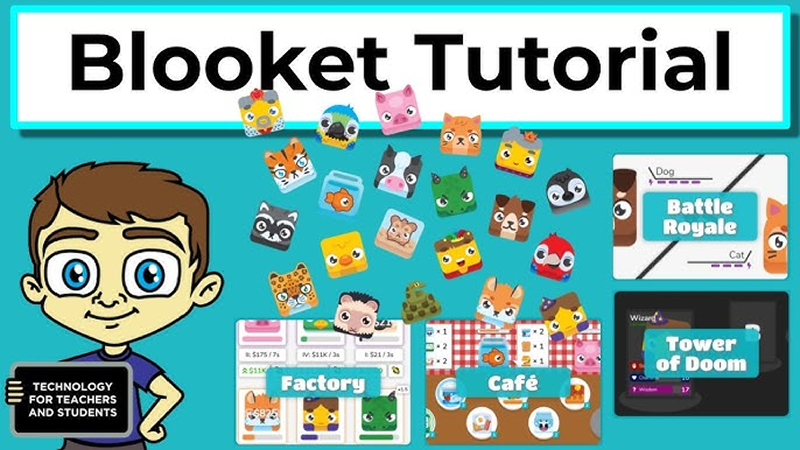
When a class begins, students should receive clear instructions instead of being left to explore the platform independently. The teacher can explain the purpose of the activity, the expected completion time, and the rules for using shared devices. This approach reduces unnecessary movement between computers and prevents confusion.
Another useful practice is to prepare an alternative activity. Internet outages, browser errors, and unexpected platform issues can occur even in well-maintained laboratories. A printed worksheet or teacher-led question session ensures that the lesson can continue if online access becomes unavailable.
The blooket login experience becomes more manageable when technical preparation is combined with classroom planning. Students can concentrate on answering questions, understanding concepts, and participating in discussions instead of spending valuable lesson time resolving access problems.
Measuring the Effectiveness of Shared Computer Access
Schools should evaluate whether their computer laboratory procedures are actually improving the learning experience. Simply introducing an online platform does not guarantee better classroom outcomes. Administrators and teachers need to consider both technical performance and student participation.
Useful indicators include the amount of time students spend preparing devices, the number of access-related interruptions, the frequency of technical support requests, and the percentage of students who successfully complete assigned activities. Teachers can also collect feedback about the clarity of instructions and the overall convenience of using shared workstations.
Academic performance should be considered separately from platform participation. Completing an interactive quiz quickly does not necessarily mean that students have understood the subject. Teachers should compare quiz results with classroom discussions, written assessments, and other learning activities to obtain a more balanced picture.
Schools can use these observations to improve their procedures over time. If students frequently struggle with browser access, the school may need clearer instructions. If certain computers repeatedly experience performance issues, technical maintenance or hardware upgrades may be necessary.
Conclusion
Optimizing shared computer access in school laboratories requires a combination of practical planning, reliable technology, student awareness, and responsible account management. Educational platforms can make lessons more interactive, but their effectiveness depends on how well schools organize device access and prepare students to use digital resources.
A consistent classroom routine, properly maintained browsers, secure session management, and dependable network connectivity can significantly reduce interruptions. Teachers should also explain participation procedures clearly, protect student credentials, and provide alternative learning activities when technical problems occur.
The blooket login process can become a manageable part of everyday classroom technology when schools distinguish between account access and activity participation. By establishing clear procedures and reviewing their effectiveness regularly, educational institutions can create computer laboratories that support efficient device sharing, responsible digital habits, and meaningful learning experiences.