

Blooket has become a popular educational gaming platform by combining quizzes, interactive challenges, and collectible characters that make learning more exciting. Players answer questions, compete in different game modes, and collect Blooks that add personality to their gaming experience. While many characters are relatively easy to obtain, others are far more difficult to find. These exclusive collectibles attract attention because of their limited availability, distinctive designs, and the effort sometimes required to unlock them. For dedicated players, discovering the rarest blook is an exciting part of the overall experience.
The appeal of rare characters goes beyond their appearance. Some Blooks are connected to special events, seasonal celebrations, limited releases, or particular game mechanics. Others become memorable because players associate them with a specific period in the platform’s history. However, rarity can be misunderstood, especially when online discussions mix official information with rumors or outdated rankings. Understanding how Blooket distributes its characters helps players distinguish genuinely limited collectibles from ordinary items that simply look unusual.
This guide explores the characteristics of rare Blooks, the factors that influence their availability, and the practical ways players can improve their collections. It also explains why rarity rankings may change over time and how collectors can enjoy the process without falling for misleading claims.
Understanding Blook Rarity in Blooket
Blooks are collectible characters used throughout Blooket’s gaming environment. They come in different designs, including animals, fantasy-inspired creatures, food-themed characters, and other imaginative figures. Players generally obtain them through available game features, including market packs and other officially supported reward systems. The exact acquisition method depends on the character and the features available at the time.
Rarity usually reflects how difficult a character is to obtain rather than how attractive it looks. A colorful character might appear exceptionally special but still be relatively accessible, while a simple design could be highly sought after because it was available only under particular conditions. This distinction is important when evaluating the rarest blook, because visual uniqueness alone does not establish a character’s actual rarity.
Another important consideration is availability. A character that appears in a regularly accessible pack may be easier to obtain over time, even if the probability of receiving it is relatively low. Conversely, a character associated with a discontinued event may be difficult for newer players to acquire through normal gameplay. Collectors should therefore consider both the character’s original release conditions and its current availability.
What Makes a Blook Extremely Rare?
Limited-Time Events and Special Releases
Special events can play an important role in creating collectible demand. When a character is associated with a seasonal celebration, competition, or limited promotional period, players may have fewer opportunities to obtain it than they would with an ordinary pack character. Once the original event ends, availability may become restricted, depending on the platform’s subsequent decisions.
This does not mean every event character is automatically among the rarest. Some event rewards may return in later celebrations, while others may remain unavailable for extended periods. The distinction between temporary availability and genuinely restricted distribution matters when comparing characters. Collectors should look for reliable information about the original release and whether the character has appeared again.
Low Acquisition Probabilities
Some collectibles are difficult to obtain because the reward system assigns them a low probability. Players might open multiple packs without receiving the character they want, making the eventual reward feel particularly satisfying. However, repeated attempts do not necessarily guarantee success within a specific number of openings.
For example, imagine a hypothetical character with a one-percent chance of appearing in a particular pack. Even after dozens of attempts, a player could still fail to receive it. This illustrates why probability matters, but the example should not be mistaken for an official Blooket drop rate. Actual probabilities must be verified through reliable, current information rather than assumptions based on community anecdotes.
Historical Significance and Community Demand
Rarity is also influenced by a character’s history. Longtime players may remember characters from earlier versions of the platform or from events that are no longer available. Such collectibles can become especially interesting to people who enjoy documenting Blooket’s development.
Community demand can amplify this interest. When players discuss a character frequently, share collection screenshots, or compare their achievements, the character can gain a reputation for being exceptional. Nevertheless, popularity and rarity are separate concepts. A widely discussed Blook is not necessarily harder to obtain than a less familiar character.
Examples of Rare and Collectible Blooks
Several characters are frequently discussed in conversations about exclusive Blooket collectibles. Their status should be evaluated carefully because availability, event participation requirements, and official classifications can change.
The following table presents examples of well-known collectible categories and explains what makes them interesting. It is not a definitive live ranking, and it does not claim that every example is currently obtainable or equally rare.
| Blook or category | Main reason for interest | What collectors should consider |
|---|---|---|
| Mystical Blook | Unusual visual design and collectible appeal | Confirm its exact identity and current classification |
| Rainbow Panda | Distinctive appearance and community interest | Check current availability and official details |
| Tropical Globe | Memorable design and collection appeal | Verify its release history |
| Timed event Blooks | Connection to seasonal or special releases | Determine whether the event has returned |
| Limited promotional Blooks | Restricted distribution during particular promotions | Check the original release conditions |
These examples demonstrate why a single universal ranking can be difficult to maintain. A collector may prioritize a character’s official rarity classification, while another may focus on its historical significance or the difficulty of obtaining it today. Both perspectives can be useful, provided the distinction is clearly understood.
When investigating a specific character, players should confirm the exact name rather than relying on screenshots or informal descriptions. Similar-looking designs, alternate forms, and community-created labels can cause confusion. Current official information is the best starting point for determining whether a character exists in the recognized collection and how it can be obtained.
How to Identify the Rarest Blook
Finding the rarest collectibles requires more than reading a ranking shared by another player. Online lists can become outdated when the platform introduces new characters, changes reward systems, or brings back previously limited items. Some rankings also confuse the rarity of a character with its popularity among experienced players.
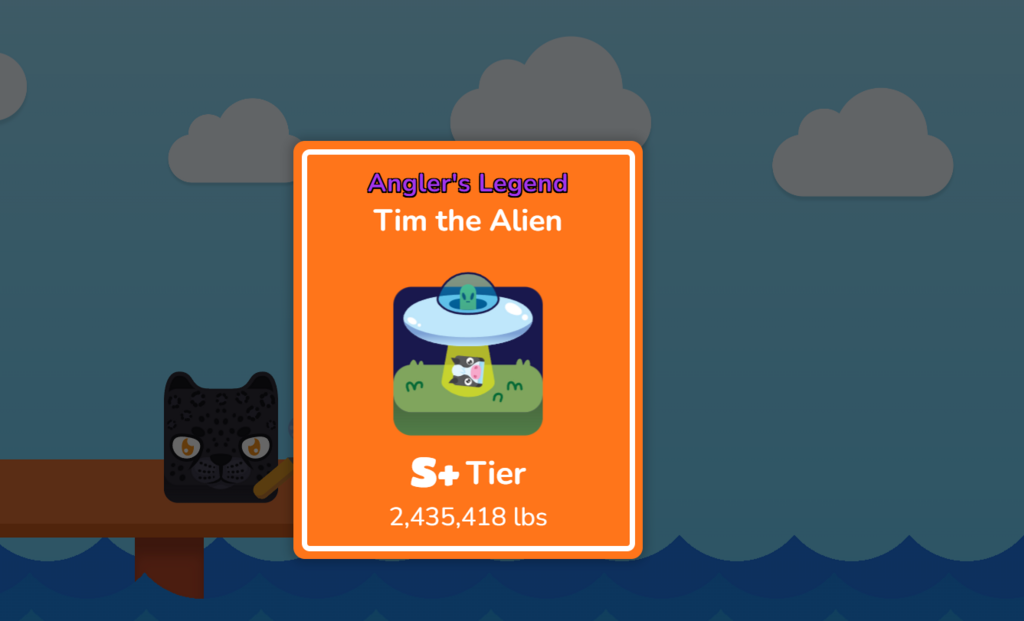
A more reliable approach is to investigate three factors: original availability, current acquisition options, and verified rarity information. Original availability explains whether a character was released through an ordinary pack, an event, or another specific mechanism. Current acquisition options establish whether new players can still obtain it. Verified rarity information helps separate official classifications from speculation.
Players should also pay attention to the date of any guide they consult. A list published several years ago may describe a character as unavailable even if it has since returned. Similarly, a recently published article may repeat an older claim without checking whether the information remains accurate. Comparing the publication date with current official details can prevent unnecessary confusion.
Useful Signs of a Credible Rarity Guide
When comparing different sources, consider these indicators:
-
The guide identifies the character by its recognized name.
-
It explains the reason for the character’s rarity.
-
It distinguishes confirmed information from community speculation.
-
It provides a clear date or context for availability claims.
-
It avoids promising guaranteed rewards or impossible shortcuts.
These checks are useful because rare collectibles naturally encourage speculation. A careful player benefits more from accurate information than from an impressive-looking ranking that cannot be verified.
Strategies for Building a Better Blook Collection
Understand Packs Before Spending Tokens
Different packs may contain different groups of characters, so understanding a pack’s contents is essential. Before spending tokens, examine which characters it includes and whether the desired collectible is actually part of its reward pool. Opening a pack that does not contain the target character will not help complete that particular collection.
Players should also remember that a low-probability reward can require many attempts. It is sensible to establish a reasonable spending limit rather than using every available token in pursuit of one character. This approach keeps the activity enjoyable and allows players to continue exploring other parts of the platform.
Participate in Available Events
Events can introduce different challenges and opportunities to earn rewards. When an event is officially available, reviewing its requirements helps players understand what participation involves. Some rewards may require completing specific tasks, while others may depend on event rules or eligibility conditions.
Participation is also a way to discover characters that might not be encountered during ordinary gameplay. Even when a particular collectible is not offered, events can make the overall collection more varied and provide additional goals beyond simply obtaining the rarest items.
Maintain a Personal Collection Record
Keeping track of collected characters makes progress easier to understand. A simple record can show which characters are already owned, which ones remain desirable, and which acquisition methods are worth investigating. It also prevents players from repeatedly spending tokens on characters they already possess.
A collection record can include the character’s name, acquisition method, date obtained, and any relevant release information. Over time, these notes become a useful reference for comparing progress and understanding how the collection has developed.
Common Myths About Rare Blooks
One common misconception is that a character becomes rare simply because it has a dramatic appearance. Although unique artwork can attract attention, appearance does not necessarily indicate a low acquisition probability or limited release history. Players should examine the character’s actual availability before making assumptions.

Another misconception is that repeatedly opening packs makes a rare reward increasingly likely to appear on the next attempt. In a reward system using independent random outcomes, previous unsuccessful attempts do not automatically improve the probability of the next one. The precise mechanics depend on the system, so players should avoid assuming that a guaranteed reward is approaching unless official rules explicitly establish such a feature.
A third misconception involves unofficial methods that promise instant access to exclusive characters. Claims about generators, account shortcuts, or tools that supposedly unlock every collectible should be treated cautiously. Such services may be misleading, compromise account security, or violate platform rules. Legitimate collection methods are preferable because they reduce unnecessary risks and preserve the enjoyment of earning rewards.
Finally, rarity rankings should not be treated as permanent. The introduction of new characters can change the overall collection, while the return of an older event reward can change how difficult that character is to obtain. A ranking is most useful when it explains its criteria and acknowledges the date on which its information was checked.
Why Rare Blooks Matter to Players
Collecting provides an additional goal beyond answering questions correctly. Players can develop an interest in completing sets, discovering unusual designs, or documenting the history of the platform. This creates a sense of progression that complements Blooket’s educational activities.
Rare characters can also become conversation starters among friends and classmates. Players may compare collections, discuss how they obtained a particular item, or share memorable moments from events. The excitement often comes from the story behind the collectible rather than the character alone. Someone who earned a reward during a special event, for instance, may value it because it represents a memorable experience.
However, the collection should remain secondary to the platform’s educational purpose when Blooket is being used for learning. Rare characters can make participation more engaging, but they do not measure a student’s knowledge or ability. Enjoying the game, learning new information, and developing healthy competition are more valuable long-term outcomes than owning a particular collectible.
How the Rarest Blook Can Change Over Time
The meaning of rarity can evolve as the platform develops. New releases expand the collection, older characters may return, and adjustments to acquisition methods can make certain items easier or harder to obtain. Consequently, a character regarded as exceptionally difficult to find at one point may become more accessible later.
There is also a difference between historical rarity and present-day availability. A character can remain important to the platform’s history even if it becomes obtainable again. Likewise, a character that is currently unavailable may not necessarily have been difficult to acquire during its original release. These distinctions make collecting more interesting because they encourage players to consider a character’s background rather than relying on a simple ranking.
For this reason, discussions about the rarest blook are best approached as ongoing investigations rather than fixed conclusions. Checking official announcements, reviewing current game features, and distinguishing confirmed information from speculation will help collectors form more accurate opinions. This method is particularly valuable for new players who may encounter conflicting information in older articles and community discussions.
Conclusion
Blooket’s collectible characters add another layer of excitement to its educational games. Their appeal comes from a combination of design, availability, acquisition difficulty, event history, and community interest. Understanding these factors helps players appreciate the difference between a character that looks unusual and one that is genuinely difficult to obtain. The most effective collection strategy is to learn how available packs and events work, keep track of progress, and rely on verified information when evaluating rarity claims. Players should avoid unrealistic promises, unofficial unlocking tools, and unnecessary spending in pursuit of a particular reward. A thoughtful approach makes collecting more enjoyable while reducing frustration.


.webp&description=Discover the rarest blook characters, their rarity levels, special event releases, and collecting strategies to understand what makes these Blooket rewards so valuable.)