

Online educational games have changed the way students approach learning by combining questions, competition, rewards, and interactive challenges. Instead of studying through traditional exercises alone, players can participate in engaging activities that encourage quick thinking, subject knowledge, and friendly competition. Collectible characters add another layer of excitement because they give players something to discover and work toward as they continue playing. Within this gaming culture, mystical blooket has become a search phrase associated with curiosity about unusual characters, rare collectibles, hidden possibilities, and the experience of discovering something special in Blooket.
For many players, the attraction of collectible characters goes beyond their appearance. Rarity can make a character feel valuable, while the process of collecting different designs creates personal goals that keep gameplay interesting. Some players enjoy completing collections, whereas others focus on answering questions correctly, earning rewards, and improving their performance in different game modes. Understanding how the collectible system works helps players separate genuine game features from rumors, misleading claims, and unofficial descriptions.
This guide explores the meaning associated with mystical blooket, the role of Blooket’s collectible system, the importance of rarity, and practical ways to enjoy the platform. It also explains how to approach character collections responsibly, avoid common misconceptions, and make educational gameplay more rewarding without spending unnecessary time or money.
Understanding the Mystical Blooket Concept
The phrase mystical blooket is generally used in searches related to unusual, mysterious, or highly desirable Blooket characters and collectibles. However, it is important to distinguish a community search phrase from an officially recognized character, collection, or game category. Not every name appearing in a video, discussion, or fan-made list represents an actual item available in the game. Players should verify specific character names and availability through the game’s own interface rather than assuming that every mysterious-looking collectible is official.
Blooket combines educational questions with game mechanics that can include points, progression, rewards, and collectible characters known as Blooks. These characters give the platform a recognizable identity and allow players to develop collections as they participate in supported activities. Depending on the game mode and available features, players may concentrate on answering questions, competing with classmates, or earning in-game resources. The collectible aspect adds motivation, but it remains only one part of the overall experience.
Why Players Are Interested in Mysterious Collectibles
Mystery naturally encourages exploration. When players hear about an uncommon character, they may want to know how it looks, whether it is difficult to obtain, and whether it belongs to a limited collection. This curiosity is especially strong among players who enjoy collecting digital items or comparing their progress with friends. Discovering a character after working toward a collection goal can feel rewarding because the result represents persistence and participation.
Another reason for this interest is the influence of gaming communities. Players often share screenshots, collection updates, and discussions about rare items. These conversations can introduce newcomers to characters they have not encountered before. Nevertheless, popularity does not automatically establish official status or rarity. A character may appear mysterious because it has an unusual design, while its actual availability depends on the game’s rules and current content.
How Blooket’s Collectible System Works
Blooket’s collectible system gives players a way to obtain and organize different Blooks. Certain game features allow players to earn or use tokens, while supported market features can provide opportunities to obtain collectibles through packs. The exact options available may change as the platform updates its content, so players should rely on the current in-game interface for accurate information about pack availability, costs, and possible rewards.
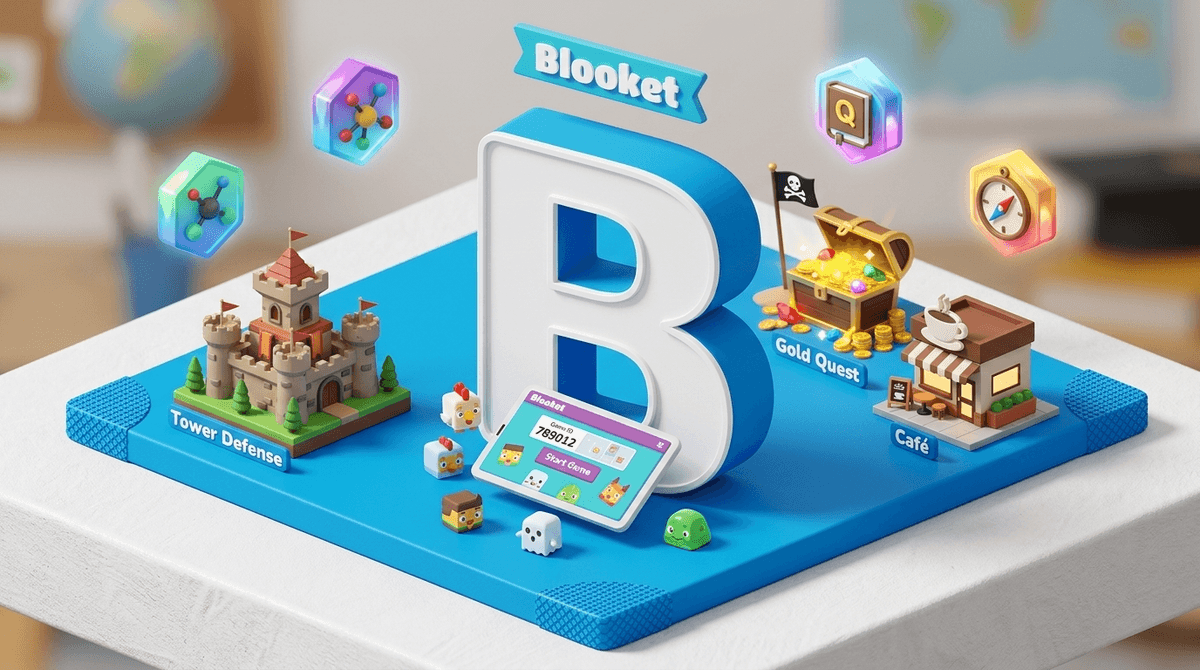
The system introduces an element of uncertainty because opening a pack may produce a character that differs from the one a player hopes to receive. This makes collecting exciting, but it also means that a particular result cannot always be guaranteed. Players who understand this distinction are less likely to confuse persistence with certainty. Repeated attempts may provide additional opportunities to obtain characters, but they do not necessarily ensure that a specific collectible will appear within a fixed number of attempts.
Recognizing Different Levels of Rarity
Collectible games often organize characters into rarity categories. In Blooket, players may encounter different rarity labels depending on the collectible and the relevant game content. Such classifications help distinguish more common items from less frequently obtainable ones. However, rarity should be interpreted according to the game’s actual information rather than assumptions based only on a character’s appearance.
The following table explains how players can think about collectible rarity without treating unofficial descriptions as confirmed game mechanics.
| Rarity concept | General meaning | What players should understand |
|---|---|---|
| Common collectibles | Items that are comparatively easier to obtain | Useful for beginning a collection |
| Uncommon collectibles | Items that are less ordinary than common ones | May require additional attempts |
| Rare collectibles | Items with lower availability or drop chances | Can take more effort to obtain |
| Very rare collectibles | Items that are especially difficult to acquire | Their exact odds depend on official game information |
| Special or limited collectibles | Items associated with particular releases or availability conditions | Access may depend on the relevant event or game rules |
These descriptions provide a general framework, not a guarantee that every category or label applies to every available pack. Players should check the displayed rarity information for the specific collectible they are pursuing. They should also remember that an uncommon item is not automatically more useful for answering questions or winning a particular game mode.
Strategies for Building a Collection More Effectively
Collecting digital characters can become frustrating when players concentrate entirely on obtaining one particular item. A more practical approach is to establish manageable goals, understand the available resources, and treat each new collectible as part of a longer process. Rather than spending every available token immediately, players can decide which collections interest them and plan their attempts accordingly.
A simple collection strategy can help players maintain a balance between exploration and resource management. Before opening packs, they should understand the available options and consider whether the potential rewards match their interests. If a particular collectible is difficult to obtain, it may be more enjoyable to pursue several collection goals instead of measuring success by a single result.
Practical Ways to Improve Collection Management
Players can use a few straightforward habits to make their collecting experience more organized:
-
Check the current pack details and available token balance before making a purchase.
-
Set a reasonable token budget instead of spending resources impulsively.
-
Track which characters are already collected to avoid losing sight of progress.
-
Treat rare-item discoveries as bonuses rather than guaranteed outcomes.
These habits are useful because they replace guesswork with a clear plan. For example, a student who earns tokens through gameplay can decide to save a portion for a preferred pack rather than spending everything as soon as a reward becomes available. Even when the desired character does not appear, the player can continue working toward other collection goals without feeling that the entire session was wasted.
Why Patience Matters When Collecting Rare Characters
Rare collectibles can require repeated attempts, and the results of randomized systems are not always predictable. A player might obtain a desirable character quickly, while another might make several attempts without receiving it. These different outcomes do not necessarily indicate that either player has discovered a special trick. Random rewards can produce different experiences even when players follow the same legitimate process.
Patience also helps prevent unnecessary spending and disappointment. When players accept that some outcomes remain uncertain, they can focus on the enjoyment of playing rather than feeling pressured to obtain every character immediately. A collection developed gradually can be just as satisfying as one that grows quickly, particularly when the player remembers the progress made along the way.
The Role of Gameplay in Collectible Progress
Although character collecting attracts attention, Blooket’s educational foundation remains important. Game sessions commonly involve answering questions and participating in activities built around learning objectives. Depending on the selected mode, players may need to recall information, recognize patterns, make decisions, or respond quickly. Strong subject knowledge can therefore improve the overall experience even when a particular mode emphasizes competition or resource management.
Players who want to make consistent progress should avoid treating every session as a race to collect rewards. Reviewing incorrect answers, paying attention to question wording, and practicing challenging subjects can make gameplay more useful. For instance, a student preparing for a science test might use a question-based session to review terminology before class. The competitive format adds excitement, while the questions provide opportunities to identify gaps in understanding.
Balancing Speed and Accuracy
Some educational game modes reward quick responses, but speed alone is not a reliable measure of learning. Rushing through a question without understanding it may lead to mistakes that could have been avoided with a brief pause. Players should learn to recognize when a rapid answer is appropriate and when a question requires careful reading.
A useful approach is to read the entire question, identify the central concept, and then select the answer. Over time, repeated practice can improve both familiarity and response speed. Teachers can support this process by choosing questions that match students’ current learning levels and discussing difficult answers after the game. This makes the activity more than a competition for points or rewards.
Common Myths and Misunderstandings
Searches for mystical blooket may lead players to content that mixes legitimate game information with speculation. Some discussions describe mysterious characters as secret collectibles, while others suggest that particular actions can guarantee an extremely rare reward. Without confirmation from the game itself, such claims should be treated cautiously. A confident explanation in a video or social post does not establish that the described feature exists.
Another common misunderstanding is that rarity automatically determines a character’s usefulness. Collectible value and gameplay performance are different concepts. A visually striking character may be appealing to collectors without providing any special advantage during a question-based activity. Players should distinguish cosmetic interest from actual game mechanics and avoid assuming that owning a particular Blook guarantees better results.
Warning Signs of Misleading Claims
Players should pay attention when a claim promises an outcome that ordinary gameplay cannot guarantee. A website, video, or message may use the language of secret methods or exclusive access to attract attention, even when the information is outdated or inaccurate.
Be particularly cautious of claims involving:
-
Guaranteed access to every rare character through an unofficial shortcut.
-
Requests for account passwords or other private login information.
-
Downloadable tools claiming to unlock collectibles automatically.
-
Promises of unlimited tokens that require unusual account permissions.
The safest approach is to use the platform’s legitimate features and avoid sharing account credentials. Unofficial tools may expose accounts to security risks or violate platform rules. Players do not need to risk their accounts to enjoy character collecting or participate in educational games.
Making the Experience Enjoyable for Students and Teachers
Blooket can support classroom activities by combining questions with game-based participation. Teachers can use suitable question sets to review previously taught material, introduce a topic, or identify areas that need additional explanation. Collectible characters can provide an extra layer of motivation, especially for students who enjoy setting personal goals, but they should not become the only reason to participate.
A thoughtful classroom approach gives students multiple ways to succeed. Some may enjoy competing for points, while others prefer improving their accuracy or learning unfamiliar material. Teachers can encourage students to reflect on what they learned instead of focusing exclusively on who finished first. This helps keep the educational purpose visible even when the activity includes exciting rewards and character collections.
For individual players, the experience can be improved by alternating between collecting and learning goals. One session might focus on practicing a difficult subject, while another might be dedicated to reviewing available collectibles. This balance prevents the game from becoming repetitive and helps players develop a healthier relationship with digital rewards. It also makes the platform more useful for families and students who want entertainment that includes an educational component.
Understanding Updates and Changes to Game Features
Online educational platforms evolve over time. Developers may adjust interfaces, introduce new content, change available activities, or update the way users access certain features. Information about a collectible that was accurate in an earlier version may not describe its current availability. This is particularly important when players investigate unusual characters or search for information about special releases.
Anyone researching mystical blooket should therefore pay attention to when information was published and whether it reflects the current game. Screenshots and descriptions from older versions can still provide useful background, but they should not automatically be treated as proof of present-day availability. The current in-game collection information is a more dependable starting point when checking whether a specific character exists or can be obtained.
Players should also be careful when interpreting claims about limited-time items. A character described as exclusive may have been associated with a particular event, release, or access condition. The exact circumstances matter, and a community discussion may leave out important details. Checking official game information helps players understand the difference between a confirmed feature, an outdated claim, and a fan-created interpretation.
Conclusion
Collectible characters add personality, curiosity, and long-term goals to educational gaming. The interest surrounding mystical blooket reflects the appeal of discovering unusual Blooks, learning about rarity, and understanding how collections develop through legitimate gameplay. However, the phrase itself should not be treated as proof of a specific official character or hidden feature. Verifying character names, rarity classifications, and availability is essential for separating reliable information from speculation. Players can make the most of the experience by managing tokens carefully, approaching randomized rewards with realistic expectations, and avoiding unofficial shortcuts that promise guaranteed results. At the same time, they should remember that Blooket offers more than collectible items. Its question-based activities can encourage knowledge retention, friendly competition, and active participation when used thoughtfully.