

Blooket has become a popular educational gaming platform where students can answer questions, compete in interactive games, and collect colorful characters known as Blooks. These characters add personality to the gaming experience and give players another reason to participate in different activities. While many Blooks are relatively easy to obtain, others are much harder to find because of their limited availability, special event requirements, or extremely low chances of appearing in particular packs. This difference has created a fascinating collecting culture in which players compare their collections and discuss which characters are the most desirable.
For collectors, discovering the rarest blook is about more than simply finding an unusual character. It involves understanding how Blooket distributes its collectibles, how seasonal events affect availability, and why certain Blooks become recognizable symbols of achievement. Some characters are associated with special occasions, while others attract attention because players cannot obtain them through ordinary gameplay. However, rarity can change depending on the season, the release of new content, and the availability of particular rewards. Understanding these differences helps players appreciate their collections without relying on misleading claims or outdated rarity rankings.
Whether you are a new player learning about Blooks or an experienced collector trying to understand the value of exclusive characters, knowing how rarity works can make the experience more enjoyable. This guide explores rare collectibles, different rarity categories, limited-time rewards, and practical ways to build a collection while keeping the educational and entertaining aspects of Blooket at the center of the experience.
What Makes a Blook Rare in Blooket?
A Blook’s rarity generally depends on how difficult it is to obtain, how often it becomes available, and whether players can still unlock it through normal methods. Some characters are included in packs that players can purchase using in-game currency, while others have been connected to special events, limited distributions, or specific achievements. When a character is available only for a short period, players who missed the opportunity may find it difficult or impossible to acquire later. This limited availability often increases interest in that character among collectors.
It is also important to distinguish between rarity and popularity. A character can be extremely popular because of its appearance, theme, or association with a memorable event without being the hardest Blook to obtain. Likewise, a rare character may receive relatively little attention outside dedicated collecting communities. The rarest blook is therefore not necessarily the character that every player likes the most. Instead, identifying the rarest collectible requires examining its availability, acquisition requirements, and the reliability of the information used to describe it.
Another important consideration is that rarity classifications and access rules can change. A character that was difficult to obtain during one event might become available again through a future promotion, depending on the platform’s decisions. For this reason, collectors should be cautious when reading claims that a particular Blook is permanently unavailable or unquestionably the rarest in the entire game.
Understanding the Different Blook Rarity Categories
Blooket includes characters with different levels of availability, and understanding these differences makes collecting more interesting. Common Blooks are generally easier for players to encounter or unlock, while uncommon and rare characters may require additional attempts or access to particular packs. Higher rarity categories usually attract more attention because players associate them with lower availability or more demanding acquisition methods. Nevertheless, a rarity label should not automatically be treated as a complete measurement of a character’s current availability.
Epic and legendary collectibles can be especially appealing to players who enjoy completing themed collections. Their designs may feature distinctive colors, unusual costumes, seasonal details, or recognizable references. Some players concentrate on collecting one particular category, while others try to obtain as many different characters as possible. Both approaches can make the game more engaging, particularly when collecting accompanies classroom activities and friendly competition.
Limited or special-release characters require a slightly different approach to understanding rarity. Their value to collectors may come from the circumstances of their release rather than a conventional pack rarity label. A character connected to an older event, for example, might be difficult to obtain today even if its original distribution method was different from that of ordinary legendary characters.
The following table summarizes the main factors collectors can consider when comparing Blooks.
| Rarity or availability type | Typical characteristics | What collectors should consider |
|---|---|---|
| Common | Generally easier to obtain | Availability and collection completeness |
| Uncommon | Less frequent than common characters | Pack access and acquisition opportunities |
| Rare | More limited availability within its category | The actual chance of obtaining it |
| Epic | Often more desirable to collectors | Category definitions and current access |
| Legendary | Frequently associated with high rarity | Whether it remains obtainable |
| Limited or event-exclusive | Connected to particular releases or events | Original distribution and possible returns |
These descriptions are general collecting guidelines rather than a guarantee of the exact classification of every character. The game’s current rules and individual release histories should be considered before making a definitive comparison.
Which Blooks Are Considered Among the Rarest?
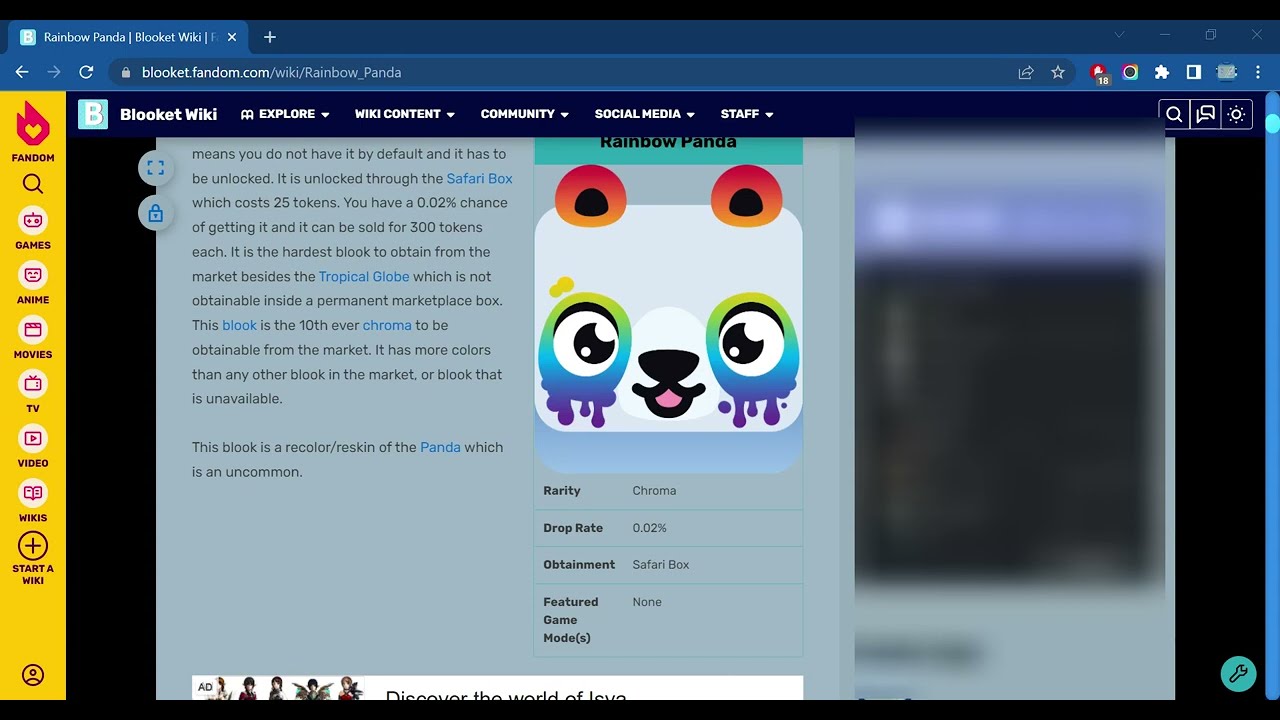
Several special-release characters have attracted attention from Blooket collectors over time. Among the names frequently discussed in rarity conversations are Rainbow Panda, Mystical characters, and certain limited event Blooks. Their appeal can come from distinctive designs, unusual distribution circumstances, or the fact that players associate them with particular periods in the platform’s history. However, the exact ranking of these characters depends on the criteria used, and a community reputation alone does not prove that one is definitively the rarest.

Mystical Blooks deserve particular attention because the Mystical category is associated with highly exclusive collectibles. Players often discuss these characters when comparing the most difficult Blooks to obtain. Rainbow Panda is another recognizable name in rarity discussions, although its availability and position in a ranking should be checked against current, reliable information rather than assumed from old lists. Event-associated characters can also be difficult to acquire when their original distribution opportunities have ended.
When evaluating any claimed rare collectible, consider three questions. Was it distributed through a limited event, was there a restricted method of obtaining it, and can players still acquire it today? These questions provide a more useful basis for comparison than a list that simply labels characters as rare without explaining why. They also help distinguish historically exclusive Blooks from characters that remain available through regular gameplay.
Ultimately, the rarest blook may depend on whether rarity means the lowest original drop chance, the smallest number of players who own a character, or the greatest difficulty of obtaining it now. These are different measurements, and they do not always produce the same winner.
Why Mystical Blooks Attract So Much Attention
Mystical Blooks have developed a strong reputation among collectors because they are associated with exclusivity. Their distinctive status makes them interesting conversation topics for players who want to understand the upper end of Blooket’s collecting system. For some players, obtaining one represents a memorable achievement. For others, simply learning about the history of these characters is part of the enjoyment of following the game.
The attraction also comes from the social side of collecting. Players may compare collections with classmates, discuss unusual characters, or share stories about when they obtained a particular Blook. A character that was once distributed during a special opportunity can become a reminder of a particular event or period. In that sense, rarity involves both the mechanics of acquisition and the experiences associated with collecting.
However, players should avoid assuming that every Mystical Blook has identical acquisition rules. Categories can contain characters with different histories, and availability can vary according to the original release. Before concluding that one character is rarer than another, collectors should look for information about the individual Blook rather than relying entirely on its category name.
How Limited-Time Events Influence Blook Rarity
Special events can significantly affect the collecting experience because they introduce opportunities that may not remain available indefinitely. Seasonal celebrations, themed competitions, and other promotional activities can make particular characters more desirable. When players know that a reward is connected to a specific period, they may be more motivated to participate before the opportunity ends.
Limited availability can also create long-term interest. Someone who began playing recently may discover a character that was distributed during an earlier event and wonder why it is absent from ordinary packs. The answer may involve the character’s release history rather than an unusually low random drop rate. This distinction matters because a collectible can be difficult to acquire today simply because its original distribution method is no longer active.
Players should remember that past exclusivity does not always guarantee permanent exclusivity. Game developers can change distribution methods, introduce new events, or make previously limited characters available again. Consequently, a character described as unavailable in an older article might have a different status later. Collectors who want accurate information should prioritize recent announcements and current in-game details over unsupported promises about permanent exclusivity.
How to Build a Valuable Blook Collection
Building an interesting collection does not require spending excessive time chasing the rarest characters. A sensible approach begins with understanding the available packs, learning how the in-game currency system works, and deciding which characters you genuinely want to collect. Players can then focus on realistic goals instead of trying to obtain every exclusive character immediately.
A collection can be valuable to its owner for several reasons. Some players prioritize rarity, while others enjoy completing animal-themed sets, collecting seasonal designs, or finding characters that match their favorite colors. Setting a personal goal makes the process more satisfying because progress becomes measurable even when a particularly rare character remains out of reach.
Consider these practical collecting habits:
- Learn the current rules for obtaining characters before spending in-game currency.
- Focus on packs or events that fit your collecting goals.
- Keep track of characters you already own to avoid unnecessary repetition.
- Treat exceptionally rare collectibles as long-term goals rather than guaranteed rewards.
It is also wise to be skeptical of websites, videos, or social media posts promising instant access to exclusive characters. Unofficial generators and requests for account credentials can put your account at risk. Legitimate collecting should take place through the platform’s recognized features and authorized reward methods.
Common Myths About the Rarest Blook
One common misconception is that every character described as rare is impossible to obtain. In reality, some rare characters may still appear in available packs or return during certain events. Others may have been connected to a distribution method that is no longer active. The distinction between low probability and limited availability is essential for understanding how difficult a collectible really is to acquire.
Another misconception is that a player’s collection proves the exact rarity ranking of every Blook. Personal experiences can be useful, but they do not necessarily reflect the entire player population. One person might obtain a character quickly while another makes many unsuccessful attempts. Random outcomes can vary, and individual stories should not be treated as official drop-rate statistics.
There is also confusion between official rarity classifications and community rankings. A fan-made list may rank characters according to personal preference, historical exclusivity, or perceived prestige. Such lists can be entertaining, but their conclusions may not represent official platform classifications. Players should identify the criteria behind a ranking before using it to judge their collections.
Finally, rare characters should not be confused with guaranteed rewards. Unless the platform explicitly confirms a reward or its acquisition conditions, no player should assume that a particular action will produce a specific Blook. Recognizing these myths helps collectors make informed decisions and enjoy the game without unrealistic expectations.
Why Rarity Is Only One Part of the Blooket Experience
Although collecting is an appealing part of Blooket, the platform’s educational purpose remains important. Teachers can use its game modes to encourage participation, review concepts, and make practice sessions more interactive. Students may become interested in collecting characters, but the experience can be even more rewarding when it accompanies learning and friendly competition.
A rare character can serve as a personal milestone, yet it does not determine a player’s knowledge, skill, or contribution to a classroom activity. Someone with a modest collection can perform exceptionally well in a quiz, while a player with several exclusive Blooks may still need practice with the subject being studied. Keeping these distinctions in mind creates a healthier approach to competition.
Collectors can also explore the visual and historical aspects of different characters. Comparing designs, remembering seasonal events, and learning how the collecting system works can make the game enjoyable even when a desired reward is unavailable. This broader perspective ensures that the pursuit of rare characters remains a source of entertainment instead of becoming an unnecessary source of frustration.
Conclusion
The search for the rarest blook is an interesting part of Blooket’s collecting culture because it combines character design, limited availability, acquisition methods, and the history of special events. Mystical Blooks, Rainbow Panda, and certain event-associated characters frequently appear in discussions about exclusive collectibles, but a definitive ranking requires reliable information about each character’s actual availability and distribution history.
The most useful approach is to understand the difference between official rarity categories, low acquisition probabilities, and limited-time releases. These factors can influence how difficult a Blook is to obtain, but they do not always produce the same ranking. Since the platform can introduce new characters or change access to existing ones, older claims should be checked before being treated as current facts.
Whether your goal is to complete a collection, discover unusual character designs, or learn about the most exclusive releases, patience and accurate information are more valuable than chasing every rumored ranking. Enjoy the collecting process, use legitimate methods to obtain characters, and remember that Blooket is ultimately most rewarding when its collectibles complement the fun of learning and playing.