

Online educational games have become an exciting way for students to learn while enjoying friendly competition. Among the platforms that combine quizzes, rewards, and interactive challenges, Blooket has attracted attention for its colorful characters, game modes, and collectible items. These characters, commonly called blooks, give players an additional reason to participate in activities, earn rewards, and explore different features. For players who enjoy discovering unusual characters, the idea of a mystical blook is particularly interesting because it suggests something mysterious, visually distinctive, and potentially valuable within a collection.
The appeal of collectible characters goes beyond their appearance. Players often want to understand how rarity works, which characters are difficult to obtain, and whether collecting specific items can improve their overall gaming experience. Some players focus on completing collections, while others enjoy the excitement of opening reward boxes and discovering unfamiliar designs. Understanding the difference between a community-created name, an officially recognized character, and a general description of a rare-looking blook can help players avoid confusion when exploring the game.
This guide explains the concept of the mystical blook, the collectible system in Blooket, the importance of rarity, and practical ways to approach collecting. It also examines common misconceptions and explains how players can enjoy the collection experience without spending unnecessarily or compromising fair gameplay.
What Is a Mystical Blook?
The term mystical blook can describe a character that appears magical, mysterious, or unusually attractive to collectors. The word “mystical” generally suggests fantasy-inspired qualities, such as glowing colors, supernatural themes, enchanted appearances, or imaginative character designs. In discussions about collectible gaming characters, players may use descriptive terms like this to express the appearance or perceived value of a particular item.
However, it is important to distinguish between a descriptive phrase and an official in-game rarity category. Blooket has its own character collection and rarity classifications, and the name mystical blook should not automatically be interpreted as a confirmed official character or rarity level. Its exact meaning depends on the context in which the term appears. A player might use it to describe a mysterious-looking character, refer to a community discussion, or search for information about a particular collectible.
For anyone trying to identify a specific character, the most reliable approach is to check its displayed name, appearance, collection information, and availability within the game. This prevents confusion between official content and names that players create informally.
Understanding Blooket and Its Collectible Characters
Blooket combines educational questions with competitive game modes. Teachers can create or select question sets, and students participate by answering questions while playing different types of games. The experience is designed to make learning more interactive, using rewards and progression systems to encourage participation.
Blooks are the characters associated with the platform. Depending on the game and available features, players may encounter different designs, collect characters, and use eligible blooks in supported activities. Their appearances range from familiar animals and everyday objects to imaginative or themed designs. This variety makes the collection interesting for people with different preferences.
Collecting can also create a sense of progression. A player who begins with a small collection may gradually discover additional characters through the available reward systems. Finding a new character can feel satisfying, especially when it has an unusual design or fills a gap in the player’s collection. Nevertheless, collecting is only one part of the experience. Answering questions, participating in classroom activities, and understanding the game mechanics remain important aspects of Blooket.
Why Are Rare Blooks So Popular?
Rarity is one of the main reasons collectible characters attract attention. When an item is available less frequently than others, players may perceive it as more desirable. This principle appears in many games, from trading-card collections to character-based adventures. A limited chance of obtaining an item can make the discovery feel special.
In Blooket, the perceived value of a character can depend on several factors, including its rarity classification, availability, visual design, and reputation among players. Some collectors prioritize uncommon appearances, while others prefer characters connected to a particular theme. A player who enjoys fantasy-inspired designs may value a mysterious character more than a common character, even if both serve similar purposes during gameplay.
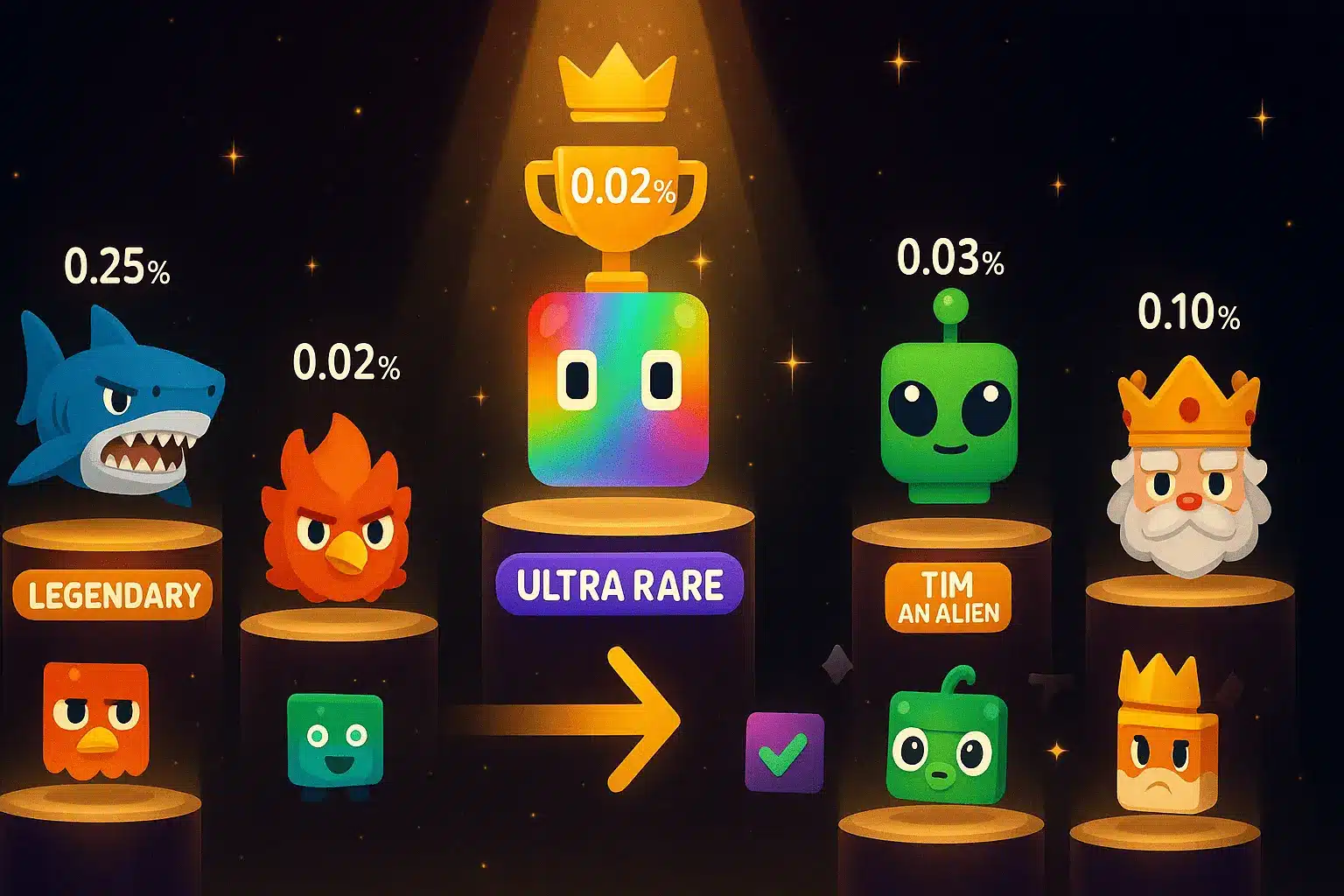
The idea of a mystical blook fits naturally into this collecting culture because the term evokes mystery and exclusivity. However, popularity does not establish official rarity. Before assuming a character is exceptionally rare, players should verify its actual classification rather than relying entirely on social media claims or discussions within gaming communities.
How Blook Rarity and Collection Value Work
Collectible games often organize items into categories that communicate how frequently they can be obtained. Although the exact labels and availability can vary by game, the general concept is straightforward: common items are usually easier to acquire, while rarer items may require more attempts or may only be available through specific systems.
Rarity and value are related, but they are not identical. A character can be difficult to obtain without being particularly useful in a particular game mode. Likewise, a widely available character can remain popular because of its appearance or personal significance to a player. Collectors should therefore consider both the official information and their own preferences.
| Collection factor | What it means | Why it matters |
|---|---|---|
| Availability | How a character can be obtained | Helps players understand the collection process |
| Rarity classification | The category assigned within the game | Provides an indication of relative scarcity |
| Visual design | The character’s appearance and theme | Influences personal preference |
| Collection completion | Whether a character fills a missing spot | Helps players track progress |
| Community interest | How much attention players give a character | Can influence perceived desirability |
This comparison shows why rarity alone should not determine whether a collectible is worth pursuing. A sensible collector considers availability, personal interest, and the time or resources required to obtain an item.
How to Find Information About a Mystical Blook
Players searching for a particular character should begin by identifying exactly what they mean by the name. Search terms and informal labels sometimes overlap, especially when community members use descriptive language instead of official character names. Confirming the identity of a character is more useful than immediately assuming it belongs to a particular rarity category.
The following steps can help make the process easier:
-
Check the character’s displayed name and appearance in the game.
-
Review its collection details and any available rarity information.
-
Compare descriptions carefully to avoid confusing similar characters.
-
Treat unsupported claims about guaranteed rewards or extreme rarity cautiously.
These basic checks can save time and reduce the likelihood of following misleading advice. They are particularly useful when a character is discussed through screenshots, short videos, or posts that provide limited context.
Players should also remember that game content can change. Characters may be introduced, availability may be adjusted, and features may differ across updates. Information from an older discussion might not accurately describe the current experience. Whenever a claim concerns present-day availability, it is better to verify the information in the game rather than depend entirely on an outdated description.
Strategies for Building a Strong Blook Collection
Building a collection can be enjoyable when approached with realistic expectations. Instead of focusing exclusively on obtaining one particular character, players can establish broader goals, such as discovering new designs, completing accessible sets, or learning how the reward system operates. These goals create a more satisfying experience because progress does not depend on receiving a single rare item.
Players should first understand which reward options are available to them. Some collection systems use in-game currency, boxes, or other mechanisms, while the exact options depend on the platform’s current features. Reading the available descriptions before using resources can help players decide which options fit their goals. Spending every available resource immediately may not be the best choice if a player wants to work toward a particular collection objective.
Patience is also important. If an item has a low probability of appearing, repeated attempts do not necessarily guarantee success within a predictable number of tries. A player may obtain an interesting character quickly, while another may need substantially more attempts. This uncertainty is part of many randomized reward systems.
A practical approach is to set a reasonable limit on time and in-game resources. Players can enjoy discovering characters without treating every unsuccessful attempt as a reason to spend more. The collection should remain an enjoyable part of the game rather than becoming a source of pressure.
Can a Mystical Blook Improve Gameplay?
A collectible character may add personality to the gaming experience, but its rarity should not automatically be confused with superior performance. The effect of a blook depends on the features of the particular game mode and the rules that apply to it. In many situations, the character primarily serves as a visual collectible rather than providing a direct advantage in answering educational questions.
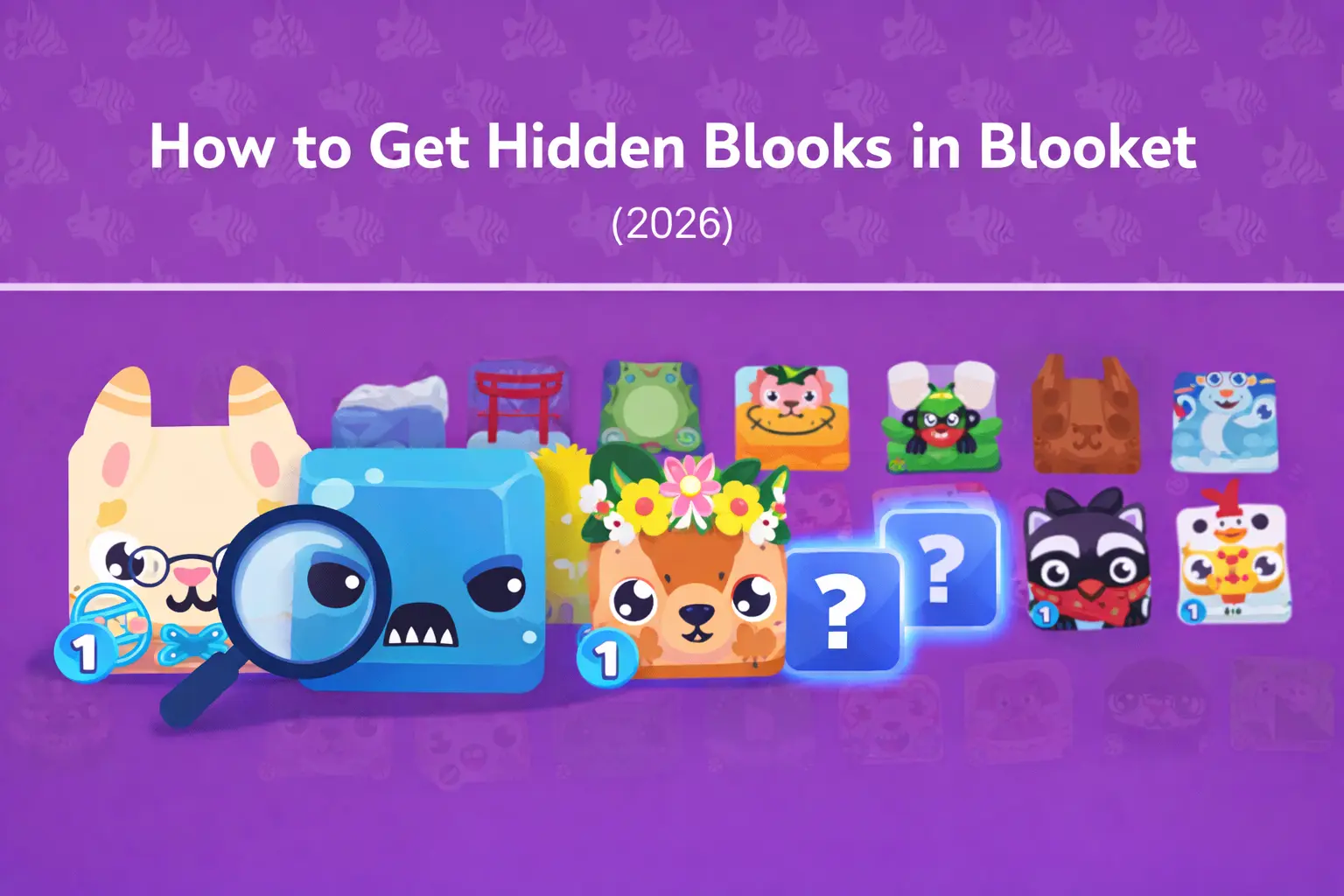
For example, a student who has an impressive collection still needs to understand the questions to perform well in a quiz-based activity. A player with a simple collection can also perform successfully by answering accurately, learning from mistakes, and participating consistently. The character may make the experience more personal, but knowledge and engagement remain important.
This distinction is useful because online discussions sometimes exaggerate the benefits of rare items. Claims that a particular character automatically improves scores, guarantees victories, or unlocks special abilities should be checked against the actual game mechanics. Without clear confirmation, such claims should not be treated as facts.
Ultimately, the greatest value of collecting often comes from enjoyment, curiosity, and the satisfaction of discovering something new. Players can appreciate an unusual design without expecting it to change every aspect of their gameplay.
Common Myths About Rare Blooks
Collectible gaming communities frequently share tips, theories, and rumors. Some discussions provide helpful information, while others repeat assumptions that have not been verified. Understanding these differences can make the collecting experience more reliable.
One common misconception is that a character with a mysterious name must be officially classified as extremely rare. Names can suggest exclusivity without reflecting the actual rarity category. Another misconception is that repeated attempts guarantee a particular reward. Unless the game explicitly provides a guaranteed mechanism, players should not assume that a specific outcome becomes certain after a fixed number of attempts.
A further misunderstanding is that rare collectibles always provide competitive advantages. As explained earlier, appearance, scarcity, and gameplay performance are separate considerations. A character may be highly desirable to collectors without having any special effect on quiz results.
Players should also be cautious about third-party tools or services that promise free rare characters, unlimited currency, or guaranteed collection upgrades. Such promises may be misleading and can expose users to account-security risks. Using legitimate in-game features is the safer way to protect an account and maintain fair participation.
How to Enjoy Collecting Responsibly
A healthy approach to collecting starts with recognizing that virtual items are optional. Players can appreciate the designs, work toward realistic goals, and enjoy discovering characters without feeling obligated to own every item. This mindset is especially helpful when a reward depends on chance.
It is also worth remembering the educational purpose of the platform. Teachers may use Blooket to reinforce lessons, review topics, and encourage classroom participation. Collectibles can make those activities more engaging, but they should complement learning rather than distract from it. Students who balance the collection aspect with their educational goals are more likely to benefit from the overall experience.
For parents and teachers, explaining how randomized rewards work can also be useful. Children may interpret a rare item as something they must obtain immediately, particularly when they see other players displaying impressive collections. Encouraging patience and setting reasonable boundaries helps keep the activity enjoyable.
A collection is ultimately personal. Some players enjoy gathering as many characters as possible, while others are satisfied with a small selection of favorites. Neither approach is inherently better. The best strategy is the one that supports enjoyment without unnecessary spending, unsafe downloads, or unfair methods.
What Makes a Collectible Character Memorable?
The lasting appeal of a collectible character often comes from a combination of design, personal experience, and the excitement of discovery. A character with an imaginative appearance can become a favorite because it reflects a player’s interests. Another character may feel special because it was the first unusual item the player obtained or because it reminds them of a memorable classroom activity.
Community discussions can add another layer of interest. Players exchange collection stories, compare designs, and discuss which characters they find appealing. These conversations can make collecting feel social, even when players have different goals. However, community popularity should be understood as a matter of preference rather than proof of official status.
For someone interested in a mystical blook, the most useful question is therefore not simply whether the term sounds rare. It is whether the specific character can be identified, how it is classified, and why it appeals to the collector. Answering those questions creates a clearer understanding than relying on the name alone.
Conclusion
The mystical blook is an intriguing search term for players interested in mysterious designs, collectible characters, and the broader Blooket experience. Its meaning should be interpreted carefully, since a descriptive phrase does not necessarily represent an official character name or recognized rarity category. Checking the actual character details is the best way to establish its identity and understand its availability. Blooket’s collection features can add excitement to educational games by giving players additional goals and opportunities for discovery. Nevertheless, rarity does not automatically mean better performance, and repeated attempts do not guarantee a particular reward unless the game’s rules explicitly state otherwise. Players benefit most when they understand the collection system, use available resources thoughtfully, and avoid unsupported promises.


.webp&description=Discover the mystical blook, its possible rarity, collection value, and role in Blooket. Learn how blooks work, explore collecting strategies, and improve gameplay.)