

Online learning has become more interactive as teachers and students explore games that combine education with entertainment. Blooket is one platform that makes quizzes more engaging by allowing players to answer questions while participating in different game modes. Instead of simply reading questions from a worksheet, students can compete with classmates, earn in-game rewards, and test their knowledge in a playful environment. This combination of learning and competition has helped Blooket become a familiar tool in many classrooms and study groups.
For anyone new to the platform, understanding blooket codes is an important first step toward joining a live game. These codes are generally numerical game-session IDs that connect players to a particular activity hosted by a teacher or another game host. However, a code is not necessarily permanent, and finding a random number online does not guarantee access to a playable session. The game must be available, the session must accept participants, and players must follow the host’s instructions.
Whether you are a student preparing to join a classroom quiz, a teacher organizing an interactive lesson, or a parent helping a child understand the platform, knowing how these codes work can make the experience smoother. Learning where to enter a code, why some codes stop working, and how to avoid misleading websites can save time and help everyone focus on the activity itself.
What Are Blooket Codes?
Blooket codes are identification numbers associated with live game sessions. When a host starts an activity, the platform can provide a game ID that invited participants use to enter that particular session. The number acts as a connection between the player and the host’s game, allowing the player to join without searching manually for the specific quiz or activity.
These codes are different from account passwords, permanent access keys, and promotional rewards. A live game ID is normally connected to a particular session, so it may stop working when the game ends or when the host closes access. Players should also understand that a session code does not automatically provide access to every Blooket feature. Its purpose is to help participants enter an eligible game, while other activities may require different instructions or account access.
For example, a teacher might prepare a vocabulary quiz for an English lesson and start a live game for the class. Students receive the session ID and enter it through the appropriate joining interface. Once they have followed the required steps, they can participate in the quiz according to the rules selected by the teacher. This straightforward process helps turn a traditional classroom review into an activity that encourages attention, quick thinking, and participation.
How to Join a Live Blooket Game
Joining a live session is usually simple when the host has already started the activity and shared the correct ID. Players should use the official Blooket interface, enter the session information carefully, and follow any additional instructions displayed on the screen. Depending on the host’s settings, participants may also need to choose a display name or complete another joining step before entering the game.
The most important detail is that a valid session must exist. A number copied from an old post, a previous classroom activity, or an unrelated website may no longer be usable. If a student cannot enter, the first step should be to confirm the code with the host rather than repeatedly trying unrelated numbers. The host may need to reopen the session, share the correct ID, or adjust the game’s participation settings.
Steps for Joining a Session
- Open the official Blooket platform in a compatible browser or device.
- Select the option for joining a game and enter the session ID supplied by the host.
- Provide a permitted display name if the game requests one.
- Complete the joining process and wait for the host to begin or continue the activity.
- Follow the instructions shown on the screen throughout the session.
Students should avoid entering personal information that is unnecessary for participation. In a classroom setting, a teacher-approved nickname is often more appropriate than sharing a full name publicly. If the host has established naming rules, following them can help keep the session organized and make it easier to identify participants.
Where Can You Find Working Game Codes?
The most dependable place to obtain a working session ID is from the person who created or started the game. Teachers commonly share it on a classroom screen, through an approved learning platform, or verbally during a lesson. Friends hosting a private study activity can provide the number directly to invited players. These methods are more reliable than lists of old codes published without information about when the sessions were created.
Search results and social media posts sometimes advertise collections of supposedly active game IDs. However, many entries may be expired, copied from older sessions, or shared without confirmation that the original game is still running. Some pages may also use exaggerated claims to attract visitors. Players should be cautious about websites that demand downloads, request account passwords, or promise guaranteed access to private games in exchange for personal information.
When searching for blooket codes, it is useful to distinguish between information explaining how the platform works and a code that can actually connect to a live session. An educational guide can explain the joining process, but it cannot guarantee that a particular session is available. A code shared by the current host is generally the most useful option because it is connected to a specific activity that the host intends players to join.
Why Do Some Blooket Codes Stop Working?
A session ID may fail for several ordinary reasons. The host might have ended the game, the session may have reached a stage where new players cannot enter, or the code may have been copied incorrectly. In other cases, a player might be using an outdated code from an earlier lesson. These problems do not necessarily indicate that the player’s device or account is broken.
Technical issues can also interfere with joining. A weak internet connection, a browser problem, or a temporary service interruption may prevent the joining page from responding properly. Refreshing the page, checking the connection, and carefully re-entering the code can help identify whether the issue is temporary. If the same problem continues, asking the host to verify the session is usually more effective than repeatedly attempting to join.
Another possibility is that the host has configured the game in a way that limits participation. Some activities are intended for a particular class or group, and a player who was not invited may not be able to enter. Respecting the host’s settings is important because the session ID is meant to connect participants to an activity, not to bypass the host’s decisions.
Common Problems and Their Solutions
| Problem | Possible reason | Practical solution |
|---|---|---|
| Code is rejected | The ID is incorrect or expired | Ask the host to confirm the current ID |
| Joining page does not load | Connection or browser issue | Check the internet connection and reload the page |
| Game is not accepting players | The session has ended or joining is restricted | Contact the host for instructions |
| Display name is rejected | The name may not follow session rules | Choose an appropriate permitted name |
| Game disconnects | Network instability or temporary technical trouble | Reconnect and follow the host’s guidance |
Troubleshooting works best when players identify the specific problem instead of assuming every error has the same cause. If the code is rejected immediately, checking the number is a sensible first step. If the page loads but freezes, checking connectivity may be more useful. When several classmates experience the same issue, the host can determine whether the problem affects the entire session rather than a single device.
Understanding Blooket Game Modes
Blooket combines quiz questions with different styles of gameplay. Depending on the activity selected by the host and the options available on the platform, players may encounter modes that emphasize strategy, competition, resource management, or quick responses. The underlying questions can cover subjects such as mathematics, science, vocabulary, history, and general knowledge, making the platform adaptable to different learning goals.
The game mode can influence how participants approach the same set of questions. One activity might encourage fast answers, while another might reward planning or decisions made over several rounds. This variety can make repeated practice more interesting because students are not always interacting with questions in exactly the same way. However, the educational value still depends on the quality of the questions, the suitability of the activity, and whether students take time to understand their mistakes.
Teachers can use these activities to introduce a topic, review material before a test, or identify concepts that require additional explanation. For instance, after a science lesson, a teacher might run a short quiz about the water cycle. Students can answer questions in a game setting, while the teacher observes which concepts need further review. The game becomes more than a competition when its results inform the next stage of learning.
Benefits of Using Blooket for Learning
One important benefit of game-based learning is that it can encourage students to participate in activities they might otherwise find repetitive. A familiar question-and-answer exercise can feel more engaging when it includes progress, visual rewards, and a clear objective. Students may also feel motivated to try again after an incorrect answer, especially when the teacher treats mistakes as opportunities to learn rather than reasons for embarrassment.
Blooket can also support classroom interaction. Students may compare strategies, discuss difficult questions, and identify areas where they need help. Teachers can use these conversations to reinforce important concepts and address misunderstandings. When the activity is designed around a clear learning objective, the entertainment element supports the lesson instead of distracting from it.
Nevertheless, game-based activities should not replace every other teaching method. Some students benefit more from written explanations, individual practice, or longer discussions. Fast-paced competition may also create pressure for learners who need additional time to process questions. Teachers can improve accessibility by selecting suitable activities, allowing appropriate time, explaining the learning goals, and discussing the answers after the game finishes.
Safety and Responsible Participation
Students should use Blooket in a way that protects their privacy and respects other participants. A display name should be appropriate for the classroom or group, and players should avoid sharing phone numbers, addresses, passwords, or other sensitive information in public spaces. If an unfamiliar website claims that users must provide personal details to obtain a session ID, it is safer to leave the page and ask the host for guidance.
Players should also understand that not every online session is intended for public participation. A game ID shared within a classroom may be meant only for that group, and distributing it widely can create confusion for the host. Joining only sessions for which permission has been provided helps maintain a positive environment and prevents unwanted participants from disrupting the activity.
Responsible use also means following classroom rules and treating other players respectfully. Competitive games are more enjoyable when students focus on learning instead of teasing classmates or trying to interfere with the session. Teachers and parents can reinforce these habits by explaining privacy, appropriate usernames, and respectful online communication before students participate.
Tips for Teachers Hosting a Blooket Session
Teachers can make joining easier by preparing the activity before students arrive. Testing the selected quiz, confirming the game settings, and displaying clear instructions can reduce delays. It is also helpful to explain whether students should use their own devices, which display-name format they should follow, and what they should do if they encounter a joining error.
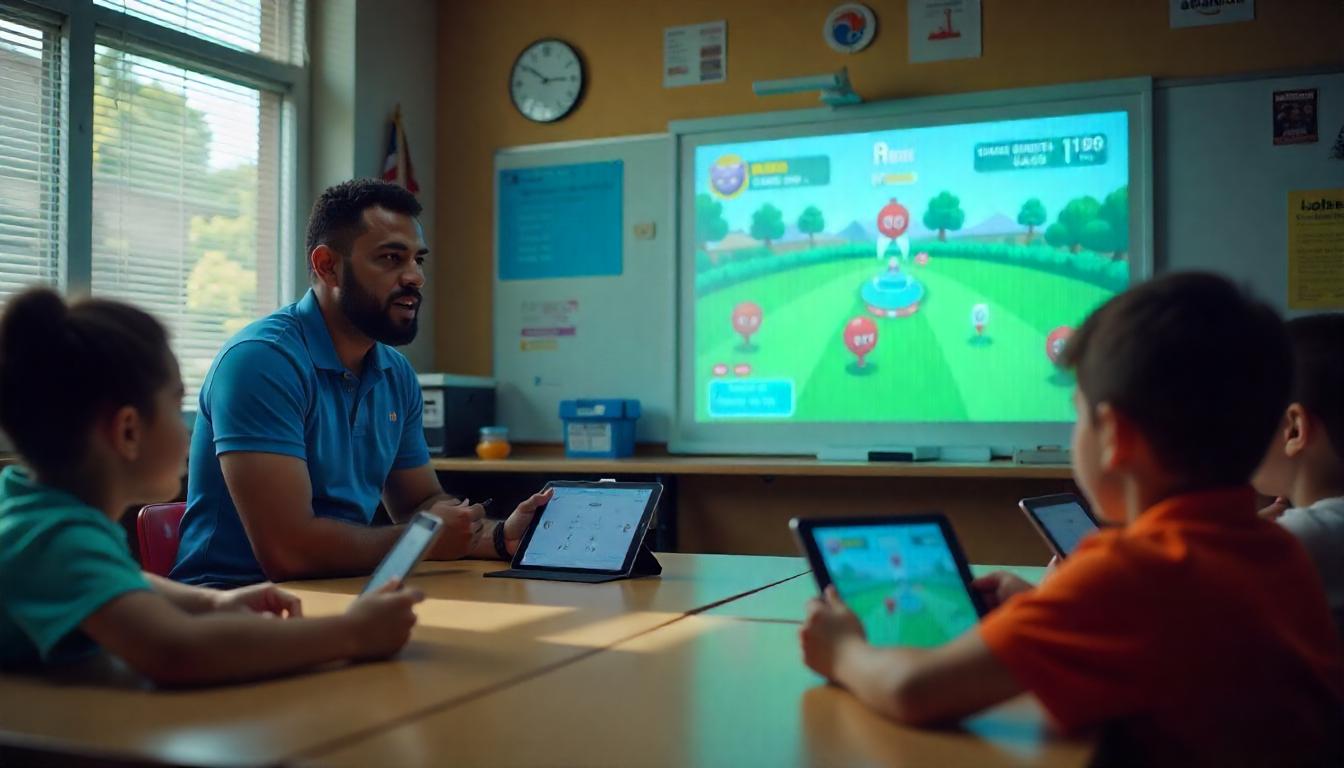
The choice of questions matters just as much as the game itself. Questions should match students’ current knowledge, use clear language, and avoid unnecessary ambiguity. A short review activity may work well at the beginning of a lesson, while a more detailed quiz can help reinforce learning at the end. Teachers should leave enough time to discuss difficult answers so that students understand why a response is correct.
Before beginning, hosts can remind participants of a few simple expectations:
- Share the session ID only with the intended group.
- Use appropriate display names and protect personal information.
- Read each question carefully instead of guessing as quickly as possible.
- Ask for help if a technical issue prevents participation.
These small preparations can make the experience more organized and inclusive. They also help teachers focus on the educational purpose of the activity instead of spending the entire lesson resolving avoidable problems.
Conclusion
Blooket makes quiz-based learning more interactive by combining educational questions with game mechanics that can encourage participation, practice, and friendly competition. Understanding how session IDs work helps students join activities more confidently, while knowing where to obtain a current code reduces the frustration caused by expired or incorrect numbers.
The key to a successful experience is to get the session ID directly from the host, follow the official joining process, and troubleshoot problems carefully when they occur. Players should also protect their personal information, respect session rules, and avoid websites that promise guaranteed access through questionable methods. Ultimately, blooket codes are useful because they connect players to specific learning activities, not because they guarantee access to every game. When teachers prepare suitable quizzes and students participate responsibly, Blooket can become a practical addition to classroom review, group study, and enjoyable knowledge-building.