

Blooket Join is the starting point for students who want to participate in a live classroom game. The process is designed to be simple: a teacher hosts an activity, provides the current game information, and students use that information to enter the session. Once inside, players answer questions while taking part in a game mode chosen by the host.
Blooket combines educational questions with interactive gameplay. Students may collect resources, compete with classmates, make choices, or work toward another in-game goal. This format can make revision more engaging while keeping questions connected to a lesson.
Knowing the joining process can prevent common problems such as an incorrect code, an expired session, or a weak internet connection.
What Is Blooket?
Blooket is an educational gaming platform built around question sets and classroom activities. Teachers can select or create questions and pair them with different game modes. Students then participate from a computer, tablet, or compatible mobile device.
The platform can be used for subjects such as mathematics, science, languages, history, and general knowledge. Its game-based approach gives students an active role during revision. Depending on the selected mode, answering correctly can influence progress, resources, rankings, or other game elements.
The host manages the activity and decides which questions and game mode are used. Players answer from their devices and follow the session rules.
How the Joining Process Works
The first requirement is current access information from the teacher or host. This can include a game code or another method shown when a live session is created. Students should use the information provided for that specific activity rather than relying on an old code from a previous class.
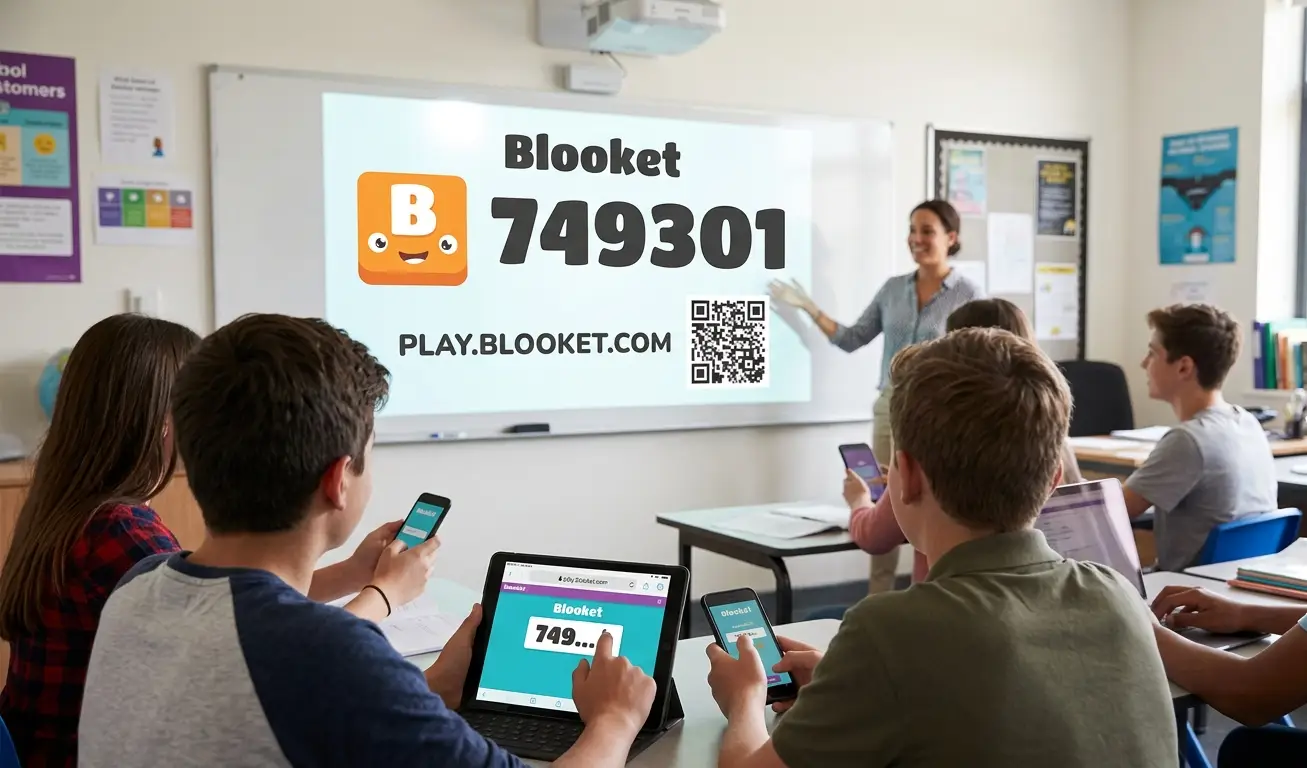
After opening the appropriate joining screen, the student enters the current game code. The platform may then request a display name or another simple session detail. Once accepted, the student waits in the lobby until the host starts the activity.
The code should not be confused with a permanent account password. A live session is temporary, and a new activity may have different access information. If the teacher creates another session, students should use the new details.
Step-by-Step Guide for Students
For a normal classroom activity, students can follow these steps:
- Open a supported web browser on a computer, tablet, or phone.
- Open the joining page or use the method supplied by the teacher.
- Enter the current game code carefully.
- Provide the requested player name or session information.
- Wait in the lobby for the host to begin.
- Read each question and answer according to the selected game mode.
Teachers may use their own classroom rules, such as assigned names or team instructions. Those directions should always take priority over general guidance.
Information You Usually Need
A smooth session depends on having a few basic details ready.
| Item | Purpose | Usually provided by |
|---|---|---|
| Game code | Identifies the live session | Teacher or host |
| Player name | Appears during the activity | Student |
| Device | Runs the game | Student or school |
| Internet connection | Maintains communication with the session | Student or school |
| Game instructions | Explains special rules | Teacher or host |
Students generally do not need to know the entire question set before entering. The host controls the selected activity and determines when gameplay begins.
What Happens After You Enter?
After joining successfully, the student normally appears in a waiting area. This gives the host time to check participants before starting the game. Once the activity begins, questions are displayed according to the selected format.
Different game modes can change how answers affect progress. Some emphasize speed, while others involve strategy, collecting items, or managing resources. Students therefore need to pay attention not only to the question but also to the instructions for that particular mode.
This structure can make review more active. Instead of simply watching a lesson or completing a conventional worksheet, students answer questions and immediately see how their decisions affect the game.
Common Joining Problems
The most common problem is an incorrect or outdated game code. A single mistyped character may prevent entry, so students should check the code carefully and ask the host to repeat it when necessary.
A session can also become unavailable after the host ends it. In that situation, trying the same old code repeatedly will not solve the problem. The student needs the access information for the current session.
Browser and network issues are another possibility. If the joining screen does not load, refreshing the page, checking the internet connection, or trying another supported browser may help. School networks can also have restrictions that affect access to online learning services.
Students should avoid guessing codes repeatedly. Confirming the current information with the teacher is usually faster and more reliable.
Tips for a Smooth Classroom Session
A few minutes of preparation can make an interactive lesson easier. Students should check that their device has enough battery, the browser is working, and the internet connection is stable before the activity begins.
It is also important to listen to the host’s instructions about player names. A teacher may ask students to use their real first name, a classroom nickname, or an assigned identifier. Following the requested format helps the teacher recognize participants.
 During the game, students should focus on accuracy rather than selecting random answers. Reading the complete question and considering every option can improve performance, especially in modes where correct answers affect later decisions.
Teachers can help by displaying the joining instructions clearly and allowing enough time for students to enter the lobby before starting.
Do You Need an Account?
Joining a live classroom activity is different from managing a Blooket account. The host controls the live session, while students may only need the information required to enter that particular game. The exact requirements can depend on how the activity is configured and on current platform features.
Students should follow the instructions shown on the current joining screen and those provided by their teacher. If an unexpected request for information appears, they should ask the host rather than entering unnecessary personal details.
This distinction is useful because a live game session is temporary, whereas an account can be associated with longer-term platform features and settings.
Why Game-Based Quizzes Can Be Useful
Blooket’s main attraction is the combination of academic questions and gameplay. Conventional revision can become repetitive when students answer similar questions one after another. A game mode adds goals, choices, and visible progress to the same basic question-and-answer process.
Different formats may appeal to different learners. Some students enjoy competition, while others prefer strategy or collecting resources. This variety gives teachers more options when planning revision.
However, entertainment should support the lesson rather than replace it. A strong activity uses clear questions that match the learning objective. When the content is relevant, the game mechanics can help maintain attention while students practice important concepts.
Final Thoughts on Blooket Join
Blooket Join mainly helps students connect to the correct live classroom session. The usual process involves receiving a current game code, entering it on the appropriate page, providing the requested player information, and waiting for the host to begin.
Most difficulties are caused by basic issues such as an incorrect code, an ended session, browser trouble, or network restrictions. Checking these possibilities first can save time and avoid unnecessary confusion.
For teachers, clear joining instructions and a well-prepared question set can make the activity more effective. For students, careful reading, responsible participation, and attention to classroom rules help turn a digital game into useful academic practice.
Conclusion
Blooket Join offers a straightforward way for students to enter interactive classroom games and take part in quiz-based learning. The key is having the correct session information and following the host’s instructions. Once connected, students can answer questions, experience different game mechanics, and review course material in an engaging format.
Used thoughtfully, Blooket can add variety to warm-ups, revision sessions, vocabulary practice, and lesson reviews. Its greatest value comes when the game remains connected to a clear educational purpose, allowing students to enjoy the activity while continuing to focus on what they are learning.