

Introduction
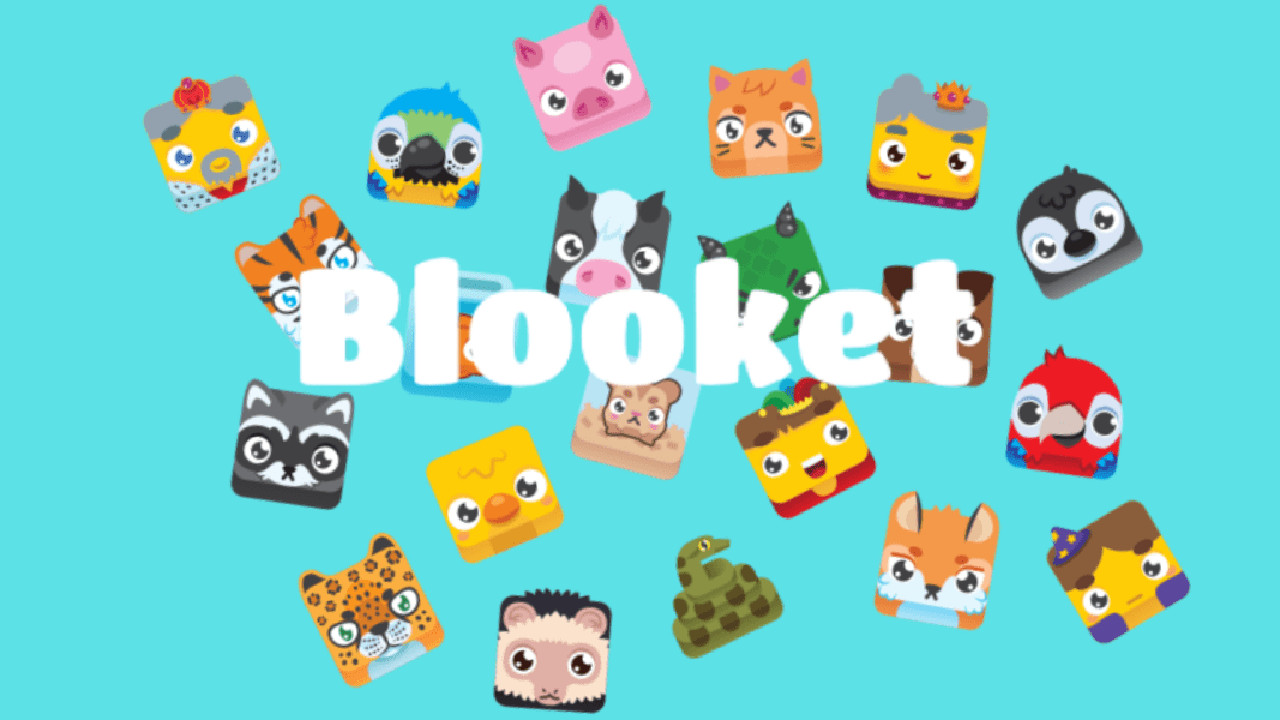
Blooket is an interactive learning platform designed to make quizzes and classroom activities more engaging for students. Instead of relying only on traditional worksheets or question-and-answer sessions, teachers can use game-based activities to encourage students to participate. The platform combines educational questions with competitive game formats, giving learners an opportunity to review information while enjoying a more playful experience. Students can typically join a classroom activity using a game code provided by their teacher, making participation straightforward. Because the learning content can be adapted to different subjects and topics, the platform can be used in classrooms, study sessions, revision activities, and informal educational settings. Its game-based approach can also help create variety during lessons, particularly when students need a change from conventional teaching methods.
How Does Blooket Work?
The basic idea behind Blooket is relatively simple. A teacher selects or creates a question set and chooses an appropriate game mode for the activity. Students then join the session and answer questions through their devices. Correct answers can contribute to progress, points, rewards, or other elements of the selected game. This combination of questions and gameplay can make revision feel less repetitive. Teachers can use existing question sets or prepare their own material according to the lesson objectives. This flexibility means that an activity can focus on mathematics, science, vocabulary, history, general knowledge, or almost any subject that can be represented through questions. The platform is particularly useful when a teacher wants to quickly turn a review session into a more interactive classroom experience.
Why Do Students Enjoy Blooket?
One of the biggest reasons students may enjoy Blooket is that it transforms ordinary questions into a game. Traditional revision can sometimes feel repetitive, especially when students answer a long series of questions without immediate feedback or a sense of progress. Game-based activities introduce elements such as competition, rewards, challenges, and visual progress. These features can encourage students to stay focused and participate more actively. Another advantage is that students can experience a sense of achievement as they answer questions correctly and progress through an activity. The competitive aspect may be motivating for some learners, while others may simply appreciate the variety that games bring to lessons. Teachers can also choose different activities depending on the classroom atmosphere, allowing the learning experience to feel more dynamic rather than following the same pattern every day.
Benefits for Teachers
Blooket can provide teachers with a practical way to add interactive revision to their lessons. Creating an engaging activity does not always require complicated classroom technology or extensive preparation. Teachers can use question sets that match the material students have already studied and then select a suitable game format. This can be especially helpful before tests, after completing a topic, or during a revision lesson. Interactive activities can also give teachers an informal indication of which concepts students understand and which areas may require additional explanation. Instead of treating a quiz only as an assessment, teachers can use it as a learning activity. The competitive format may also encourage participation from students who are less enthusiastic about conventional written exercises. When used appropriately, the platform can become one tool within a broader teaching strategy.
Main Features of Blooket
The platform combines educational questions with game mechanics. While specific options can change over time, its overall concept centers on question sets, game modes, student participation, and teacher-led activities.
| Feature | How It Helps |
|---|---|
| Question Sets | Organize questions around a particular lesson or topic |
| Game Modes | Add variety and competition to learning activities |
| Student Participation | Encourage learners to actively answer questions |
| Custom Questions | Allow teachers to create content for specific lessons |
| Review Activities | Make revision sessions more interactive |
| Progress and Rewards | Provide motivation during gameplay |
These features make the platform useful for different classroom situations. A teacher might use a short activity at the beginning of a lesson to review previous knowledge or organize a longer session after completing a unit. The format can also help break up lessons that involve large amounts of reading or explanation. However, the effectiveness of any educational platform depends on how it is incorporated into the lesson. The questions should remain connected to learning objectives rather than becoming an activity used only for entertainment.
Blooket for Classroom Revision
Revision is one area where Blooket can be particularly useful. Students often need repeated exposure to important concepts before they can confidently remember and apply them. A game-based quiz can provide another opportunity to revisit information without requiring students to complete another conventional worksheet. Teachers can create question sets around key terms, formulas, historical events, scientific concepts, or language skills. The activity can then be used to identify common mistakes and explain difficult concepts again. Because students receive questions during the session, teachers can also use the results or classroom responses to guide further discussion. This makes the activity more than just a competition. When carefully planned, it can become a structured revision technique that combines recall practice with classroom interaction.
Creating an Effective Learning Game
The quality of the questions plays an important role in determining whether a game-based activity is genuinely educational. Teachers should focus on clear questions that reflect the concepts students are expected to understand. A good question set can include a mixture of straightforward recall questions and questions that require students to apply their knowledge.
 If every question is extremely easy, students may become focused only on speed. If every question is excessively difficult, the activity can become frustrating. A balanced approach is more likely to keep learners engaged. Teachers can also use the activity as an opportunity to identify misconceptions. After the game, discussing difficult questions can help students understand why an answer is correct rather than simply remembering which option won the most points.
Is Blooket Useful for Different Age Groups?
Blooket can be adapted to different educational levels because the questions determine much of the academic difficulty. Younger students may participate in activities involving basic mathematics, spelling, vocabulary, or general knowledge. Older students can use question sets covering more advanced subjects, including science, literature, geography, and exam preparation. The platform’s flexibility means the same general game-based concept can be adapted to different classroom needs. However, teachers should consider the maturity and learning preferences of their students when choosing a game format. Some students may respond strongly to competition, while others may prefer collaborative or less competitive activities. Giving students a variety of learning experiences can help ensure that game-based learning supports the whole class rather than benefiting only those who enjoy competition.
Advantages and Limitations
Like any educational technology, Blooket has both advantages and limitations. Its strongest benefit is the ability to make question-based learning more interactive. It can add energy to revision sessions and encourage students to participate. Teachers can also use it to introduce variety into lessons and create activities that correspond with their curriculum.
However, game-based learning should not replace other teaching methods. Students still need opportunities to read, write, discuss, practice, research, and solve problems independently. Competition can also be distracting if the game becomes more important than the educational objective. Some students may feel uncomfortable with highly competitive activities, particularly when rankings are emphasized. For this reason, teachers should choose game modes carefully and focus on learning rather than simply winning.
Tips for Using Blooket Effectively
Teachers can improve the learning experience by keeping activities focused and connected to the lesson.
- Use questions that directly support the learning objective.
- Mix easy, moderate, and challenging questions.
- Discuss important mistakes after the activity.
- Avoid using competition as the only motivation.
- Keep game sessions appropriate for the available class time.
The goal should be to use the game as a teaching tool rather than allowing the game itself to become the entire lesson. A short, well-designed activity can often be more useful than a long session filled with repetitive questions.
The Role of Game-Based Learning
Game-based learning has become increasingly popular because it can combine participation with academic practice. Instead of passively receiving information, students interact with questions and make decisions during an activity. Platforms such as Blooket demonstrate how familiar game mechanics can be connected with classroom content. This approach does not mean every lesson needs to become a game. Rather, games can be one part of a broader teaching strategy. When used at the right time, they can provide variety, encourage recall, and create opportunities for teachers to observe student understanding. The most effective approach is usually a balanced one in which technology supports educational goals instead of replacing meaningful instruction.
Conclusion
Blooket offers teachers and students a different way to approach quizzes, revision, and classroom participation. By combining educational questions with interactive game formats, it can make learning sessions more lively and encourage students to take part. Its flexibility allows teachers to adapt activities to different subjects, age groups, and learning objectives. At the same time, successful use depends on thoughtful question design and appropriate classroom management. It should complement traditional learning rather than replace it. When teachers use it strategically, Blooket can turn routine review activities into engaging opportunities for students to practice knowledge, receive feedback, and participate actively in the learning process.