

Introduction
The Blooket dashboard is an important part of the Blooket learning platform because it brings classroom activities, games, assignments, and student progress into one place. Instead of relying only on traditional quizzes, teachers can use interactive game modes to make learning more engaging. Students can also join activities and participate in educational challenges using a simple game-based format. The dashboard provides an organized way to manage content and classroom sessions, making it easier to prepare activities before a lesson and review results afterward. Whether someone is new to Blooket or already uses it regularly, understanding the dashboard can make the overall experience smoother. From discovering question sets to organizing activities and checking performance, the dashboard provides several useful functions for modern classroom learning.
What Is the Blooket Dashboard?
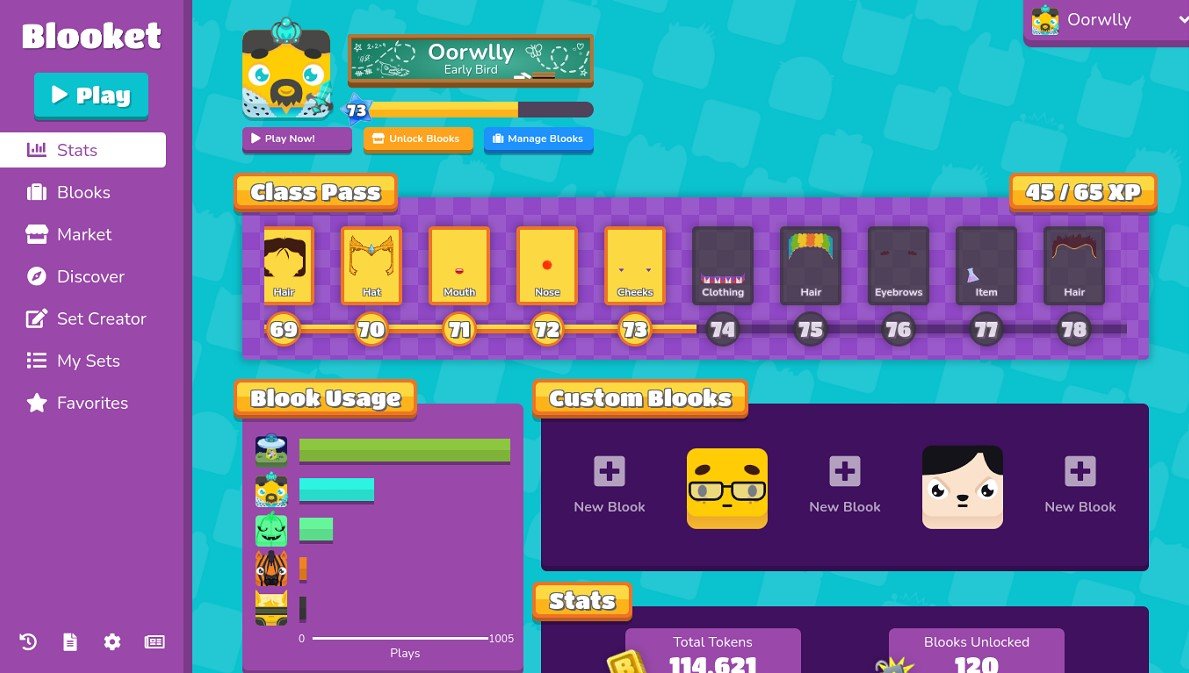
The Blooket dashboard is the central area where users can access and manage important features of their Blooket account. Its available options can vary depending on whether the user is working as a teacher or participating as a student. Teachers generally use their dashboard to find or create question sets, organize games, start classroom activities, and review performance information. Students mainly use Blooket to participate in activities provided by their teacher.
One of the main advantages of the dashboard is organization. Instead of searching through different sections for every classroom activity, users can manage many tasks from a central location. The interface is designed around game-based learning, so educational activities can feel more interactive than conventional worksheets or question-and-answer sessions. This combination of organization and entertainment is one reason Blooket has become popular among educators and students.
Main Features of the Blooket Dashboard
The Blooket dashboard includes several features designed to support classroom activities. Teachers can use it to locate existing question sets or prepare their own content. Once a question set is available, it can be used with different game modes depending on the learning objective and classroom situation.
Another useful function is activity management. Teachers can organize their materials and select the appropriate activity for a particular lesson. After students participate, available results can help teachers understand how the class performed. These features make the dashboard more than a simple game launcher because it can support preparation, participation, and review.
Students have a simpler experience. They generally focus on joining activities, answering questions, and interacting with the selected game mode. The game-based design can encourage participation because students receive immediate interaction rather than simply completing a static quiz.
Blooket Dashboard Features at a Glance
| Feature | Main Purpose | Typical User |
|---|---|---|
| Question Sets | Create or find educational questions | Teachers |
| Game Modes | Turn questions into interactive games | Teachers & Students |
| Assignments | Provide activities for students | Teachers |
| Reports | Review student performance | Teachers |
| Account Settings | Manage account preferences | Teachers & Students |
| Classroom Activities | Conduct live learning sessions | Teachers |
| Student Participation | Answer questions and play activities | Students |
How Teachers Can Use the Dashboard
Teachers can use the dashboard before, during, and after a lesson. Before class, they can search for suitable question sets or create questions that match their curriculum. This preparation allows the teacher to select content that is appropriate for the students’ age and learning level.
During class, the teacher can choose a suitable game mode and begin an activity. The interactive structure can make review sessions more enjoyable while still keeping questions connected to the lesson. Teachers can also use game activities as warm-ups, revision exercises, practice sessions, or informal assessments.
After the activity, teachers can review available performance information. This can help identify topics where students performed well and areas that may require additional explanation. Using the dashboard in this three-stage approach can make game-based learning more organized and purposeful.
How Students Use the Dashboard
For students, the experience is generally focused on participation rather than classroom management. A student may receive instructions from a teacher to join an activity and then answer questions through the selected game format. Depending on how the activity is organized, students may compete individually or participate in a shared classroom experience.
The game elements can provide motivation by adding points, progress, rewards, or other interactive features. However, students should remember that the main purpose is still learning. Paying attention to the questions and understanding the correct answers is more valuable than simply trying to finish first.
The Blooket dashboard can therefore support a learning environment where students actively interact with educational content instead of passively reading information.
Creating and Managing Question Sets
Question sets are central to many Blooket activities. Teachers can prepare their own questions or use existing educational sets when appropriate. A well-designed question set should contain clear questions, accurate answers, and content that matches the lesson objective.
 When creating questions, teachers should avoid unnecessary complexity. Questions should be written in language that students can understand, while incorrect answer choices should still be realistic enough to test comprehension. Organizing questions by subject or topic can also make future lesson planning easier.
The Blooket dashboard can help teachers manage these materials and return to them when another practice session is needed. This reduces the need to recreate similar classroom content repeatedly.
Choosing the Right Game Mode
Game modes are one of the most recognizable elements of Blooket. Different modes can create different classroom experiences, so teachers should choose one according to the purpose of the activity. A competitive mode may work well for revision, while a calmer activity may be more suitable when students need to concentrate on difficult material.
Teachers should also consider the age and personality of their students. Some classes may respond positively to competition, while others may benefit from collaborative or less competitive activities. The objective should always be to strengthen understanding rather than allow the game itself to become the entire lesson.
Using different game modes over time can also prevent activities from becoming repetitive. A varied approach can maintain student interest while allowing teachers to reuse useful question sets.
Understanding Reports and Student Performance
Performance information can be valuable because it gives teachers another way to evaluate learning. After an activity, teachers can examine available results to identify patterns in student responses. If many students answer a particular question incorrectly, it may indicate that the topic needs to be explained again.
However, a single game should not always be treated as a complete measure of academic ability. Game performance can be influenced by speed, familiarity with the platform, competition, and other factors. Teachers should combine Blooket results with classroom discussions, assignments, written work, and other assessment methods.
Used properly, the dashboard can provide useful supporting information rather than replacing broader educational assessment.
Benefits of Using Blooket for Learning
One major benefit of Blooket is engagement. Game-based activities can encourage students to participate more actively, especially during revision lessons that might otherwise feel repetitive. The visual and interactive nature of the platform can create a different classroom atmosphere.
Another advantage is flexibility. Teachers can adapt activities to different subjects and learning objectives. Questions can be used for mathematics, science, languages, history, general knowledge, and many other subjects.
Blooket can also save preparation time when teachers reuse well-organized question sets. Instead of designing an entirely new activity for every revision session, educators can adjust existing materials according to their needs.
A few practical benefits include:
- More interactive revision sessions
- Flexible question-based activities
- Quick classroom participation
- Opportunities for performance review
- Support for different learning topics
Tips for Getting Better Results
The most effective use of the Blooket dashboard begins with a clear learning objective. Before starting a game, teachers should decide what students are expected to practice or understand. This keeps the activity connected to the curriculum.
It is also useful to keep questions focused. A game containing too many unrelated questions may entertain students without providing meaningful learning. Teachers should select questions that reinforce important concepts.
Another useful approach is to discuss answers after the game. If students simply see whether they were right or wrong, they may not understand why an answer was correct. A short explanation can turn an entertaining activity into a stronger learning experience.
Common Problems and Simple Solutions
New users may sometimes find the dashboard confusing because there are multiple features and activity options. The best approach is to start with basic functions before exploring more advanced possibilities. Teachers can first create or select a question set, choose a game mode, and run a short activity.
Another common issue is poor question quality. If questions are unclear or contain incorrect answers, the game may create confusion. Reviewing the question set before using it with students can prevent many problems.
Technical issues can also occur because classroom activities depend on internet connectivity and compatible devices. Teachers should have a simple backup activity available in case students cannot connect successfully.
Blooket Dashboard for Modern Classrooms
Game-based learning can be especially useful when teachers want to make revision more interactive. The Blooket dashboard provides a central place for organizing many of these activities. Instead of treating educational games as a replacement for teaching, educators can use them as an additional classroom tool.
A balanced lesson might begin with an explanation, continue with guided practice, and then use an interactive game for revision. The teacher can finish by discussing difficult questions and correcting misunderstandings. This approach gives students the benefits of interaction while keeping the educational purpose clear.
The dashboard is therefore most useful when it supports a broader teaching strategy rather than being used simply for entertainment.
Conclusion
The Blooket dashboard provides a convenient environment for managing interactive educational activities. Teachers can use it to organize question sets, select game modes, conduct classroom sessions, and review available performance information. Students can participate in engaging activities that turn ordinary question practice into a more interactive experience. The platform can be particularly helpful for revision, classroom engagement, and quick knowledge checks.
However, successful use depends on thoughtful preparation. Teachers should choose appropriate questions, select game modes that match their objectives, and use results alongside other assessment methods. When these elements are combined, the Blooket dashboard can become a useful addition to classroom learning. Its biggest strength is the ability to connect educational questions with an engaging game-based experience while keeping classroom activities organized.