

Online learning has changed the way students practice lessons, review important concepts, and participate in classroom activities. Instead of relying entirely on traditional worksheets and repeated textbook exercises, many teachers now use interactive platforms that combine education with games. These tools encourage students to answer questions, compete with classmates, and improve their understanding while enjoying a more engaging learning experience. Blooket is one such platform, bringing quizzes and game-based activities together in a format that appeals to students of different ages and learning preferences.
For students looking to play Blooket, the experience usually begins with a question set created by a teacher or another user. Players answer questions correctly and participate in a game mode where their performance can influence their progress. Depending on the selected mode, they may collect virtual characters, earn rewards, manage resources, or compete against other participants. This variety makes the platform more than a basic online quiz because the same educational questions can support different styles of gameplay.
Understanding the platform’s features can help students participate more confidently and allow teachers to choose activities that match their educational goals. Whether someone is using it for a classroom revision session, independent practice, or a friendly competition, learning how the system works makes the experience smoother. This guide explains the essential features, popular game modes, joining process, learning benefits, and practical strategies that can help users get more from their sessions.
What Is Blooket and How Does It Work?
Blooket is an educational game platform that combines question-and-answer activities with interactive gameplay. Teachers can create question sets or select existing sets covering subjects such as mathematics, science, English, geography, history, and general knowledge. Once a suitable set is selected, the questions can be used in different game formats, allowing learners to practice the same information in an environment that feels more dynamic than a conventional test.
The platform generally involves two roles: the host and the players. A teacher or another host chooses the questions, selects an available game mode, and starts a session. Players join the session using the required game code and follow the on-screen instructions. As they answer questions, their responses affect their progress according to the rules of the selected mode. Some games emphasize speed, while others involve collecting resources, managing virtual items, or making strategic decisions.
One important feature is the separation between the educational content and the game mechanics. For example, a teacher can prepare a set of multiplication questions and use it in a mode focused on resource collection. The mathematics remains the central learning activity, but the surrounding game gives students an additional reason to stay engaged. This flexibility makes the platform useful for revision, informal assessment, and classroom participation.
How to Play Blooket Step by Step
Getting started is usually straightforward when a teacher or host has already prepared a session. Players need a compatible device, a working internet connection, and the session information supplied by the host. Depending on the activity and platform requirements, users may be able to participate through a browser, while account features can offer additional options for managing their activities.
The typical process begins when the host starts a game and provides the joining information. Students enter the session code in the appropriate place, follow the instructions, and select a display name if permitted. After joining, they wait for the host to begin or follow the session’s on-screen directions. Questions then appear during gameplay, and players submit answers using the available controls.
A successful session depends on paying attention to both the questions and the rules of the selected mode. Some activities reward quick responses, while others require players to make decisions after answering. Students should read the instructions before beginning because strategies that work well in one mode may not be as effective in another.
Tips for a Smooth First Session
Before starting, make sure the device has a stable internet connection and that the joining code has been entered correctly. If a code does not work, it may have expired, been entered incorrectly, or belong to a session that is no longer active. Asking the host for the current code is generally the simplest solution.
Players should also use an appropriate nickname and follow classroom instructions. If the activity is part of a lesson, the objective should be learning the material rather than simply finishing ahead of everyone else. Reading each question carefully can prevent avoidable mistakes and help students understand why an answer is correct.
Popular Blooket Game Modes and Their Features
One reason students enjoy the platform is the variety of game formats. Rather than repeating an identical quiz experience every time, players can encounter different objectives, rules, and rewards. The exact selection available may change as the platform evolves, and some modes may have different availability depending on the session or account.

Classic-style quizzes provide a relatively direct way to answer questions and compare performance. Other modes introduce additional layers, such as collecting items, building virtual resources, defending progress, or managing a collection. These features can make repeated practice feel different even when the underlying questions remain unchanged.
| Game mode | Main activity | Potential learning benefit |
|---|---|---|
| Classic | Answer questions and compete through quiz performance | Reinforces accuracy and recall |
| Gold Quest | Answer questions and collect virtual gold | Adds rewards and strategic choices |
| Factory | Answer questions and manage virtual production | Encourages planning alongside revision |
| Tower Defense | Answer questions while developing defenses | Combines practice with long-term decisions |
| Cafe | Answer questions and manage a virtual cafe | Introduces resource and task management |
The most appropriate mode depends on the class, subject, and learning objective. A teacher who wants a quick check of basic knowledge might prefer a straightforward quiz format. An activity designed for a longer revision session could benefit from a mode that involves additional decisions between questions. Choosing the right format helps keep the game entertaining without allowing the extra mechanics to distract from the lesson.
Choosing the Right Mode for Different Learners
Students who are new to the platform may find simpler formats easier because they can concentrate on understanding the questions before learning additional rules. More experienced players might enjoy modes that require them to balance correct answers with strategic choices. However, a complicated game is not automatically better for learning. The best option is one that supports the lesson without making the educational content difficult to follow.
Teachers can also vary modes across a unit. For example, a short quiz may be useful after introducing a science concept, while a more involved activity could help students revisit the same concept later. This approach introduces variety while maintaining consistency in the subject matter.
Why Students and Teachers Use Blooket
Educational games can make classroom participation feel less intimidating. In a traditional question-and-answer session, some students may hesitate to respond because they worry about making a mistake in front of their classmates. A game-based activity can provide a different environment in which students practice answering questions and receive feedback during the session.
When students play Blooket as part of a structured lesson, they have an opportunity to revisit information while actively participating. Answering questions requires them to retrieve facts, recognize concepts, or apply previously learned rules. This repeated practice can support recall, particularly when the teacher reviews difficult questions after the game instead of treating the final score as the only outcome.
Teachers can also use the platform to identify topics that need additional explanation. If several students repeatedly miss questions about fractions, grammar rules, or scientific vocabulary, the results may indicate that the class needs another example or a different explanation. The game can therefore serve as an informal checkpoint rather than merely an entertainment activity.
Another benefit is flexibility. The platform can support whole-class activities, small-group competitions, and certain forms of independent practice. Teachers can adapt question sets to the difficulty level of their students, making it possible to review foundational knowledge or challenge learners with more advanced material.
Effective Strategies for Better Gameplay
Improving performance does not always require answering questions as quickly as possible. Although speed can matter in certain game modes, understanding the material remains important. A student who rushes through every question may make unnecessary errors, while a player who balances careful reading with efficient responses may perform more consistently.
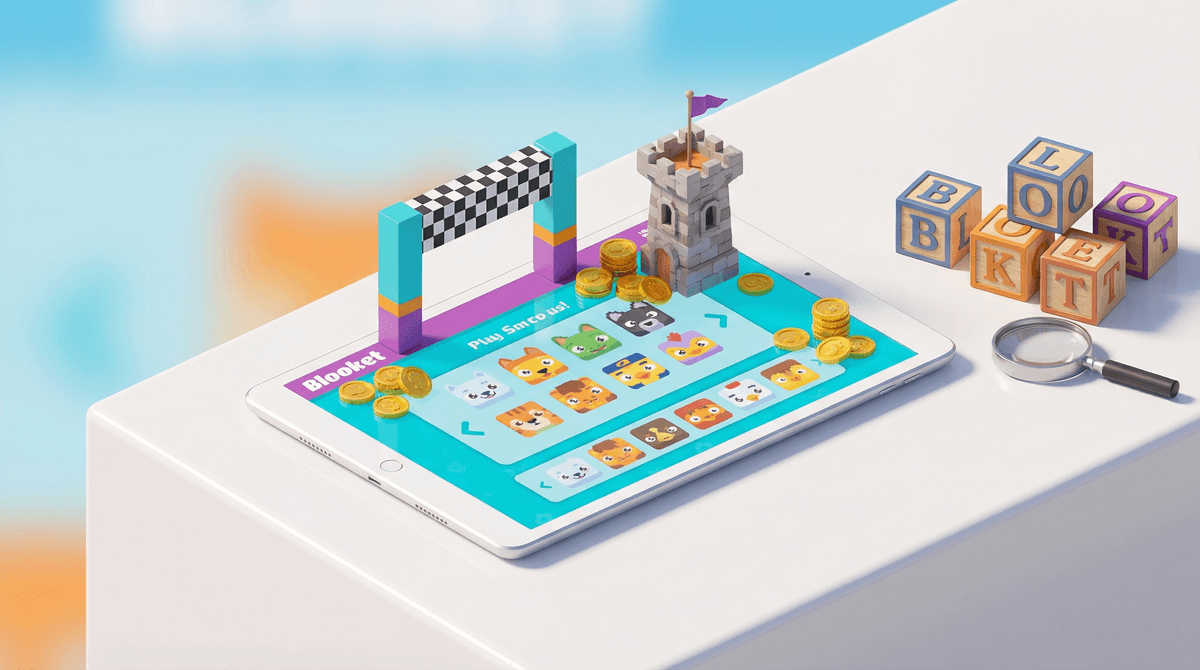
The most useful strategy is to learn the rules of the selected mode before focusing on competition. Players should understand how answers affect rewards, what actions are available, and whether the game involves resource management or other decisions. Once the rules are clear, it becomes easier to decide where to focus attention and which choices are most useful.
A few practical habits can make a difference:
- Read the complete question before choosing an answer.
- Review incorrect responses to understand the underlying concept.
- Learn the objectives and special rules of each game mode.
- Keep attention on the educational task instead of becoming distracted by rankings.
These habits help students use gameplay as a learning opportunity. They are also useful outside the platform because careful reading, reflection, and strategic decision-making apply to regular schoolwork.
Learning From Mistakes Instead of Chasing Scores
A low score does not necessarily mean that a student has failed to learn anything. It may reveal unfamiliar vocabulary, a misunderstanding of a formula, or a topic that requires further practice. Reviewing mistakes after a session can help identify the difference between a careless error and a genuine knowledge gap.
For example, a student who repeatedly misses questions about equivalent fractions may benefit from drawing visual fraction models before trying another quiz. Someone struggling with English vocabulary might create short example sentences for unfamiliar words. These follow-up activities connect the game to meaningful practice and make future sessions more productive.
Common Problems When Joining a Game
Occasionally, players may have difficulty entering a session or staying connected. A code may be incorrect, a game may have ended, or the host may have started a different session. In these situations, checking the information supplied by the host is a sensible first step. Players should avoid repeatedly entering random codes because they may belong to unrelated sessions or no longer be active.
Device and browser issues can also interfere with participation. A weak internet connection may cause slow loading, while an outdated browser or restrictive network setting can prevent some features from working correctly. Refreshing the page, checking the connection, or trying an updated supported browser may resolve ordinary technical difficulties. If the problem continues, the host or an appropriate support resource can help identify the cause.
It is also important to distinguish between official platform features and third-party websites that claim to provide special rewards, unrestricted access, or guaranteed game advantages. Students should be cautious about entering account details on unfamiliar pages, downloading unknown files, or sharing private information to obtain virtual items. Using the intended platform and following school guidance can reduce unnecessary security risks.
Responsible and Safe Use of the Platform
Online classroom games should remain enjoyable, respectful, and appropriate for the learning environment. Students should choose suitable display names, avoid disruptive behavior, and respect classmates regardless of their scores. Friendly competition can encourage participation, but teasing or pressuring students who answer incorrectly can make the activity less welcoming.
Teachers and parents can help by establishing clear expectations about screen time, online behavior, and the purpose of the activity. Students should understand that game rankings are temporary results, not a complete measurement of intelligence or academic ability. Different learners progress at different speeds, and some need additional time to understand a concept before they can answer confidently.
Privacy also deserves attention. Players should avoid including sensitive personal details in usernames or public messages. They should follow the platform’s current account requirements and applicable school policies, especially when younger children are participating. A secure and supportive environment allows students to focus on learning instead of worrying about their personal information.
How to Make Blooket More Educational
The educational value of a game depends largely on how it is used. A carefully prepared question set can help students review key concepts, while poorly matched questions may create confusion or reward guessing rather than understanding. Teachers should check the accuracy, difficulty, and relevance of questions before using a set with a class.
A useful lesson structure includes preparation, gameplay, and reflection. Before the activity, the teacher explains the topic and clarifies the learning objective. During the game, students answer questions and receive opportunities to practice. Afterward, the class reviews challenging questions and discusses why particular answers are correct. This final stage turns the activity into a learning cycle rather than an isolated competition.
Students can also use independent practice to identify what they already understand and what needs attention. For example, after reviewing a history chapter, a learner might complete a question set and write down the events that were difficult to remember. The student can then revisit those events in the textbook before attempting another round. This method combines the motivation of a game with the deliberate practice needed for stronger understanding.
Another effective approach is to balance digital activities with other forms of study. Reading, writing explanations, solving problems on paper, and discussing ideas with classmates remain important. Interactive quizzes work best as one part of a broader learning routine, especially when the goal is to develop lasting knowledge rather than achieve a high score in a single session.
Conclusion
Blooket brings together educational questions, game mechanics, and friendly competition to create an interactive learning experience. Its range of game modes allows teachers to present revision activities in different ways, while students can practice important concepts and receive feedback during gameplay. From straightforward quizzes to modes involving resources and strategic decisions, the platform offers flexibility for a variety of classroom activities.
For anyone who wants to play Blooket effectively, the key is to understand the joining process, follow the selected mode’s rules, answer questions carefully, and review mistakes after each session. Teachers can strengthen the experience by choosing suitable questions, matching the game to the lesson, and discussing difficult concepts afterward. Students should also remember that accuracy, understanding, and consistent practice matter more than winning every round.
When used responsibly, the platform can make revision more engaging without replacing the essential work of studying and thinking critically. Combining interactive games with discussion, reading, and regular practice gives learners a stronger foundation for academic progress and helps make classroom activities both enjoyable and educational.