

Blooket has become a popular educational gaming platform where students can answer questions, compete with classmates, and collect colorful characters known as Blooks. These characters add a collectible element to learning, making ordinary quizzes feel more exciting. Players often enjoy discovering new designs, unlocking different characters, and building collections that reflect their progress. While many Blooks are relatively easy to obtain, others are much harder to find because of limited availability, special events, or restricted distribution.
The search for the rarest blook has become an interesting part of the Blooket community. Collectors frequently discuss which characters are the hardest to obtain, which limited-edition designs deserve the most attention, and how certain Blooks became so desirable. However, rarity can mean different things depending on the character, its release history, and the way the platform distributes it. A character that is difficult to obtain during one event may have a different status from a character that was distributed in extremely limited quantities.
Understanding Blooket’s collectible system helps players appreciate more than just the appearance of a character. It also explains why some designs attract greater interest than others. Instead of focusing entirely on ownership, players can learn about collection strategies, event participation, and the importance of checking current availability before believing claims about a particular Blook.
What Makes a Blook Rare in Blooket?
Rarity generally describes how difficult it is to obtain a particular collectible. In Blooket, this can depend on several factors, including the character’s availability, the method required to unlock it, and whether it was released for a limited period. Some Blooks appear through regular collection systems, while others may be associated with special events, exclusive distribution methods, or specific opportunities provided by the platform.
The rarest blook is not necessarily the character with the most unusual appearance. A beautifully designed character may be widely available, while a simple character could become highly desirable because only a limited number were distributed. This distinction is important for collectors who want to understand the difference between visual appeal, official rarity classifications, and actual availability. A character’s popularity within the community does not automatically prove that it is the rarest collectible.
Another important consideration is that rarity can change over time. When a new event introduces a special character, players may initially struggle to obtain it. Later, if the platform makes that character more widely available, its exclusivity may decrease. For this reason, collection discussions should consider release history and current availability rather than relying only on old rankings or community rumors.
Understanding Blooket’s Rarity Categories
Blooket uses different rarity classifications to distinguish collectible characters. These classifications help players understand how common or uncommon a Blook is within the collection system. Although the exact categories and availability can change with platform updates, rarity labels generally provide a useful starting point for comparing collectibles.
Common and uncommon characters are usually easier to encounter than highly restricted collectibles. Rare and epic categories can offer more distinctive designs, while legendary and chromatic classifications may attract additional attention from players interested in building advanced collections. Some special characters may also have unique distribution histories that make them particularly desirable.
It is important not to assume that every category has the same meaning across every collection or release. A rarity label describes the platform’s classification, whereas the actual number of players who own a character depends on distribution and access. A character classified as legendary is not automatically more exclusive than every character associated with a limited event.
Common, Uncommon, and Rare Blooks
Common Blooks provide an accessible starting point for new players. They allow users to become familiar with the collection system without needing to spend extensive time pursuing difficult unlocks. Uncommon characters offer additional variety, while rare characters can feel more rewarding when players encounter them through the available collection mechanics.
These early categories are valuable because they establish the foundation of a collection. Players can experiment with different designs, understand how Blooks appear in game modes, and gradually become more familiar with the platform. Although these characters may not attract the same attention as exclusive collectibles, they remain an important part of the overall experience.
Epic, Legendary, and Chromatic Blooks
Higher rarity classifications often receive more attention from collectors because they suggest that a character may be harder to obtain through the relevant system. Epic and legendary Blooks can feature memorable designs, while chromatic characters are particularly interesting to players who enjoy unusual visual styles and specialized collectibles.
However, the exact difficulty of obtaining a character depends on its specific release and collection method. Players should check the current in-game information instead of assuming that every character in a higher category has identical availability. Understanding the difference between a rarity label and a character’s actual distribution makes collection discussions more accurate.
Which Blooks Are Considered Among the Rarest?
Several characters are frequently discussed in Blooket collection communities because of their distinctive designs or limited availability. Examples often mentioned in rarity discussions include the Mystical King, Tim the Alien, and various limited-edition characters associated with special distributions. Other Blooks may attract attention because they were released through particular events or became difficult to obtain after an opportunity ended.
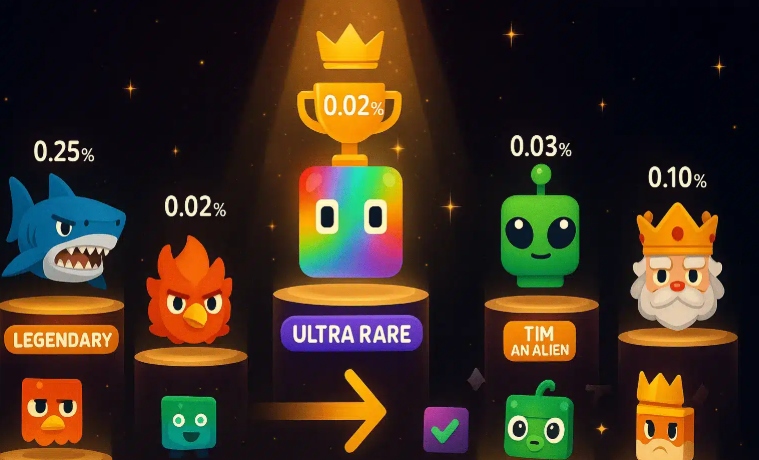
The precise ranking of these characters requires caution. Community lists may use different criteria, such as the number of copies distributed, the difficulty of obtaining a character, or its current availability. Without reliable, current distribution figures, it would be misleading to claim that one character is definitively the rarest across every version and collection period. Players should distinguish confirmed platform information from estimates shared by collectors.
The rarest blook may therefore refer to different characters depending on the criteria being used. Someone interested in official rarity classifications may rank collectibles differently from someone who focuses on historical exclusivity. A useful comparison considers how the character was distributed, whether it remains obtainable, and whether its reputation is supported by reliable information.
Important Factors That Influence Blook Rarity
Several characteristics help explain why certain Blooks become more desirable than others. Understanding these factors makes it easier to evaluate collection claims and identify which characters deserve attention.
| Rarity factor | What it means | Why it matters |
|---|---|---|
| Limited availability | A character was available during a restricted period or through a specific opportunity. | Access may become more difficult after the opportunity ends. |
| Distribution method | A Blook was provided through a particular reward or release system. | Not every player has the same opportunity to obtain it. |
| Official classification | The platform assigns a rarity category to the character. | It provides a useful starting point for comparisons. |
| Release history | The character has a particular background or was associated with an earlier event. | Historical context can explain its reputation. |
| Current availability | The character may or may not be obtainable through existing systems. | Availability affects how collectors approach their goals. |
These factors should be considered together rather than individually. For example, an older character is not necessarily rare simply because it was released a long time ago. If it remains widely available, its age alone does not establish exclusivity. Similarly, a limited-edition character may have a strong reputation even when its official rarity label does not fully describe its historical distribution.
How to Build a Blooket Collection
Building a collection becomes more enjoyable when players focus on consistent participation and a clear understanding of the available mechanics. Rather than searching for shortcuts, users can explore the collection features provided by the platform and learn which characters are currently accessible. This approach helps prevent wasted effort on outdated information or characters that are no longer obtainable through the same method.
Players should also remember that different Blooks may require different approaches. Some may be accessible through ordinary collection systems, while others may depend on an event, reward, or special distribution opportunity. Reading the available in-game information before investing time in a particular goal can help players make more informed decisions.
A practical collection strategy includes the following habits:
- Check the current collection and available character information.
- Participate in eligible events when they are offered.
- Keep track of characters already collected.
- Compare rarity claims with reliable platform information.
- Avoid websites or tools that promise unauthorized unlocks.
Consistency is more useful than chasing every rumor about an exclusive character. Players who understand how the collection system works can enjoy discovering new Blooks while maintaining realistic expectations about what they can obtain.
Common Myths About Rare Blooks
One widespread misconception is that a character becomes rare simply because it has an unusual appearance. Visual design can influence popularity, but it does not establish how many copies exist or how difficult the character is to obtain. A colorful or impressive design might be widely distributed, while a less visually striking character could have a more restricted history.

Another misconception involves outdated rarity rankings. Lists published during an earlier release period may no longer reflect the current situation. New events, distribution changes, or updates can affect the availability of specific characters. When players reuse old information without checking its date, they may incorrectly identify a character as unobtainable or exceptionally exclusive.
Claims about secret codes and guaranteed unlocks also deserve careful attention. Not every code circulating online is genuine, active, or intended to provide a collectible. Some posts may simply repeat outdated information, while others may direct users toward unsafe downloads or request account credentials. Players should never provide their passwords to a third-party service that promises rare characters.
Why Rare Blooks Matter to Players
Collecting rare characters adds a sense of discovery to Blooket. For many users, the experience is not just about owning a particular design but also about working toward a goal and learning how the platform’s collection system operates. Finding a character that has been difficult to obtain can feel rewarding because it represents progress and persistence.
Rare collectibles can also encourage conversations among classmates and other players. Users may compare their collections, discuss character designs, and share information about events. These interactions can make the platform more engaging, especially when collecting remains a fun addition to educational activities rather than becoming the main reason for participating.
Nevertheless, rarity should not determine whether someone enjoys the game. A collection filled with accessible characters can be just as meaningful as one containing exclusive designs. The most valuable experience comes from participating fairly, learning through the available activities, and appreciating the variety of characters that make Blooket distinctive.
Staying Safe While Searching for Rare Characters
The popularity of collectible characters can attract misleading claims and questionable third-party services. Players should be cautious whenever a website promises unlimited collectibles, guaranteed access to restricted characters, or instant account upgrades. Such claims may be inaccurate, and some services may attempt to collect personal information or encourage users to install unwanted software.
A safer approach is to use the platform’s legitimate features and follow its published rules. Players should avoid sharing login details, downloading unknown files, or using unauthorized tools that claim to modify their collections. Younger users should also ask a trusted adult for help when a service requests personal information or payment for something that appears suspicious.
Reliable information is particularly important when investigating the rarest blook. Before accepting a ranking, consider whether the information identifies the character clearly, explains the criteria used, and reflects current availability. This simple habit can help players separate useful collection guidance from speculation.
Conclusion
Blooket’s collectible system offers players an additional reason to explore the platform, participate in activities, and discover different character designs. Some Blooks receive special attention because of their rarity classifications, limited availability, or historical distribution. However, identifying the single rarest character requires more than repeating a popular name or relying on an outdated online ranking. The best way to investigate the rarest blook is to consider official rarity information, release history, current availability, and the reliability of claims made by other players. These factors provide a clearer picture of what makes a character genuinely difficult to obtain. They also help collectors avoid confusion between popularity and exclusivity.


.webp&description=Discover the rarest blook in Blooket, explore limited-edition characters, understand rarity levels, and learn how collections, events, and game modes work.)